
Collection: Chopsticks
Chopsticks – An Essential Part of Japanese Dining Culture
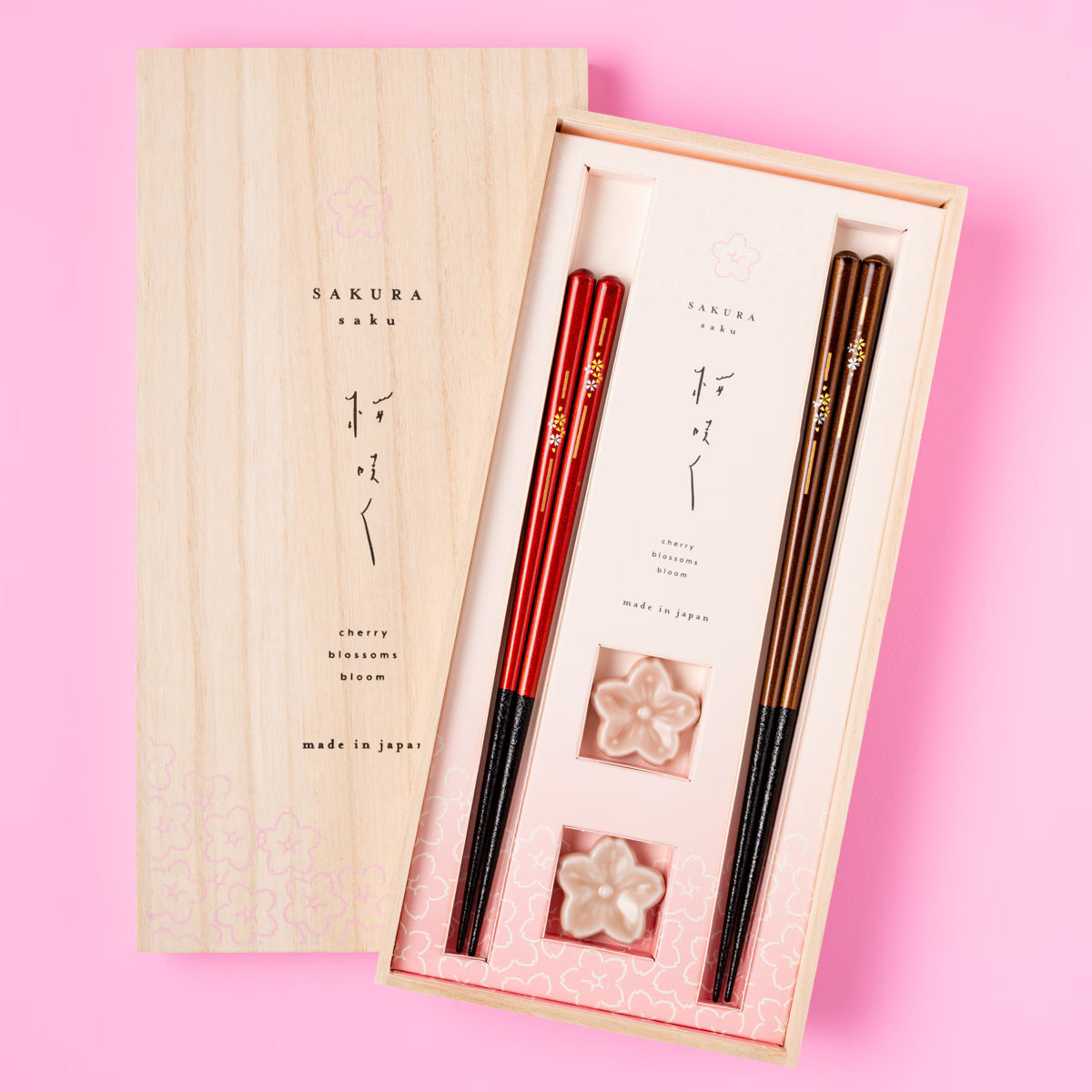
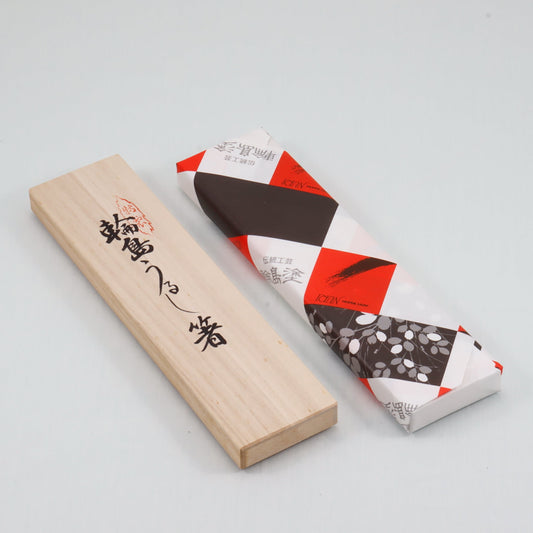
Chopsticks are an essential part of Japanese dining culture. For centuries, they have been used not only for everyday meals but also for celebrations, seasonal events, and other special occasions.
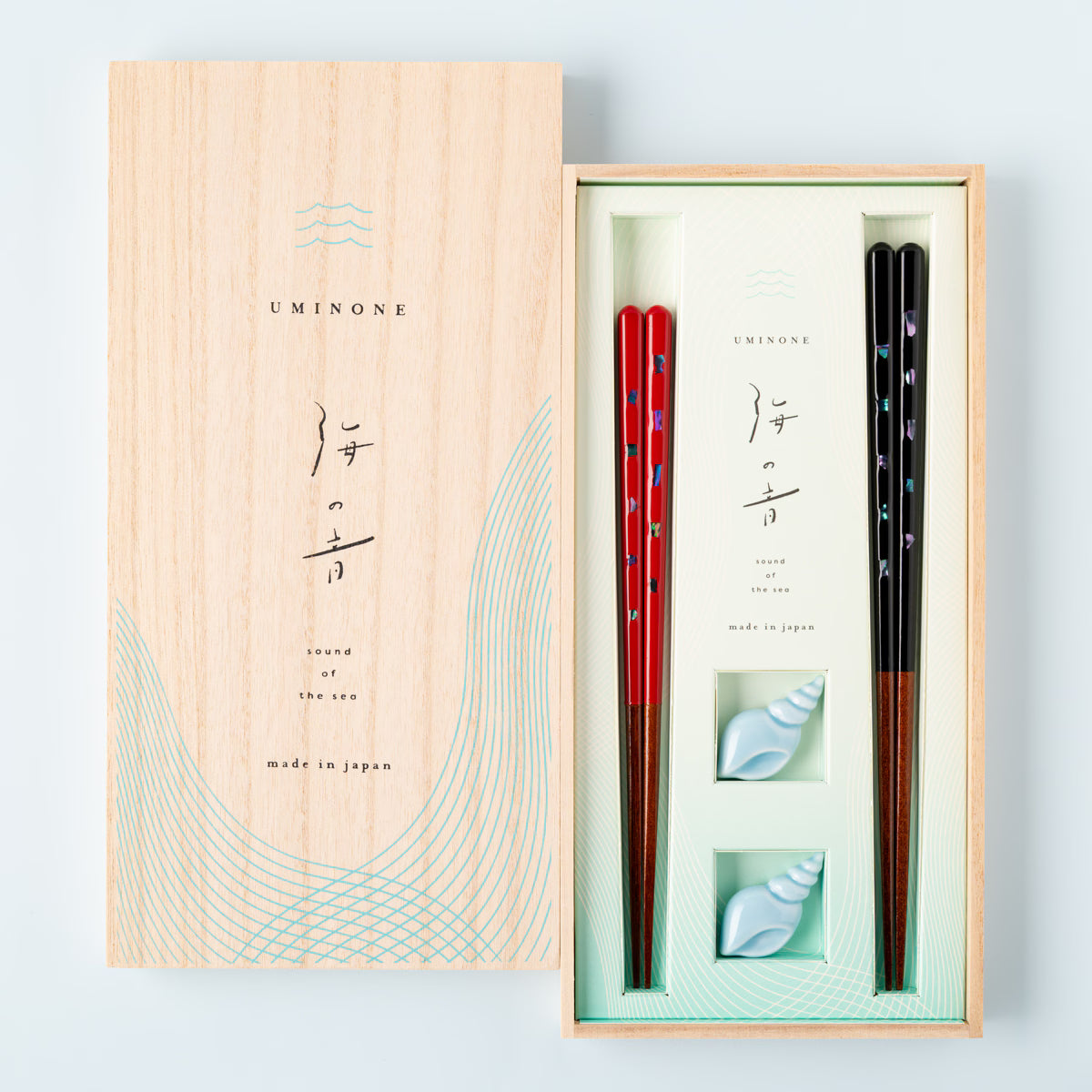
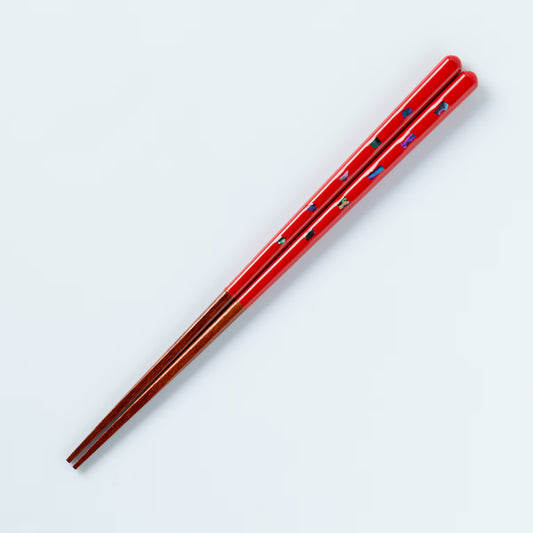
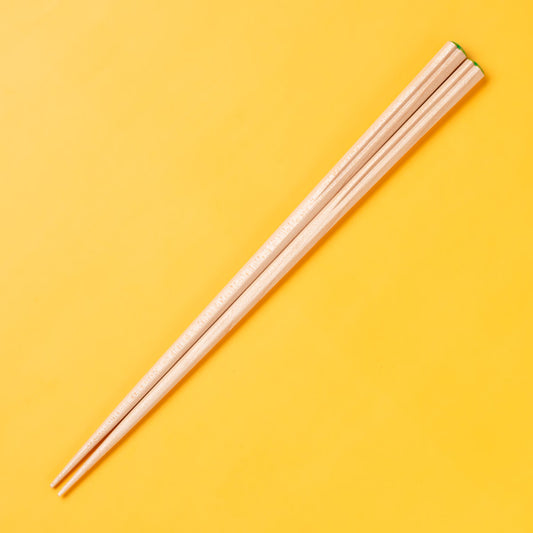
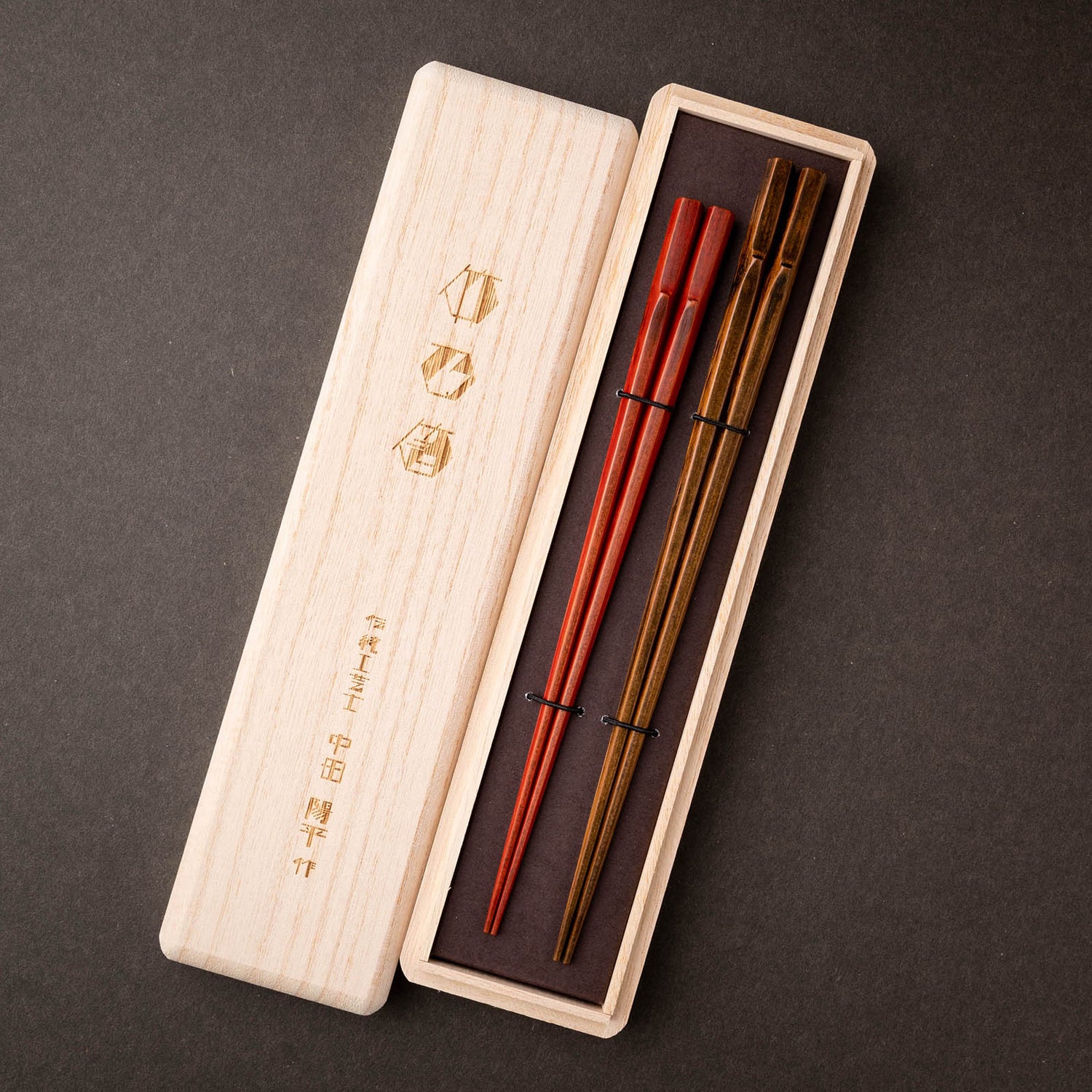
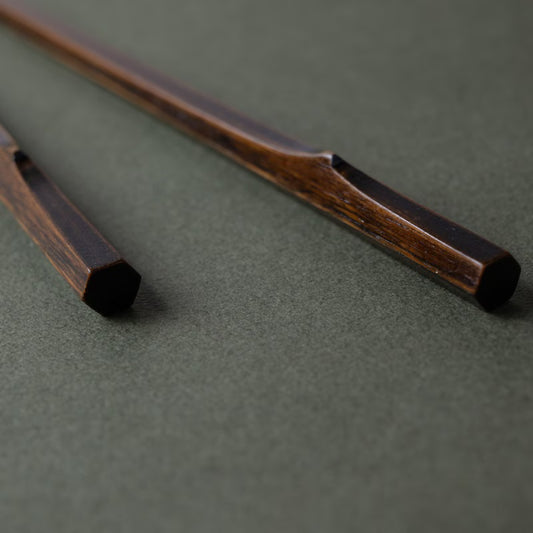
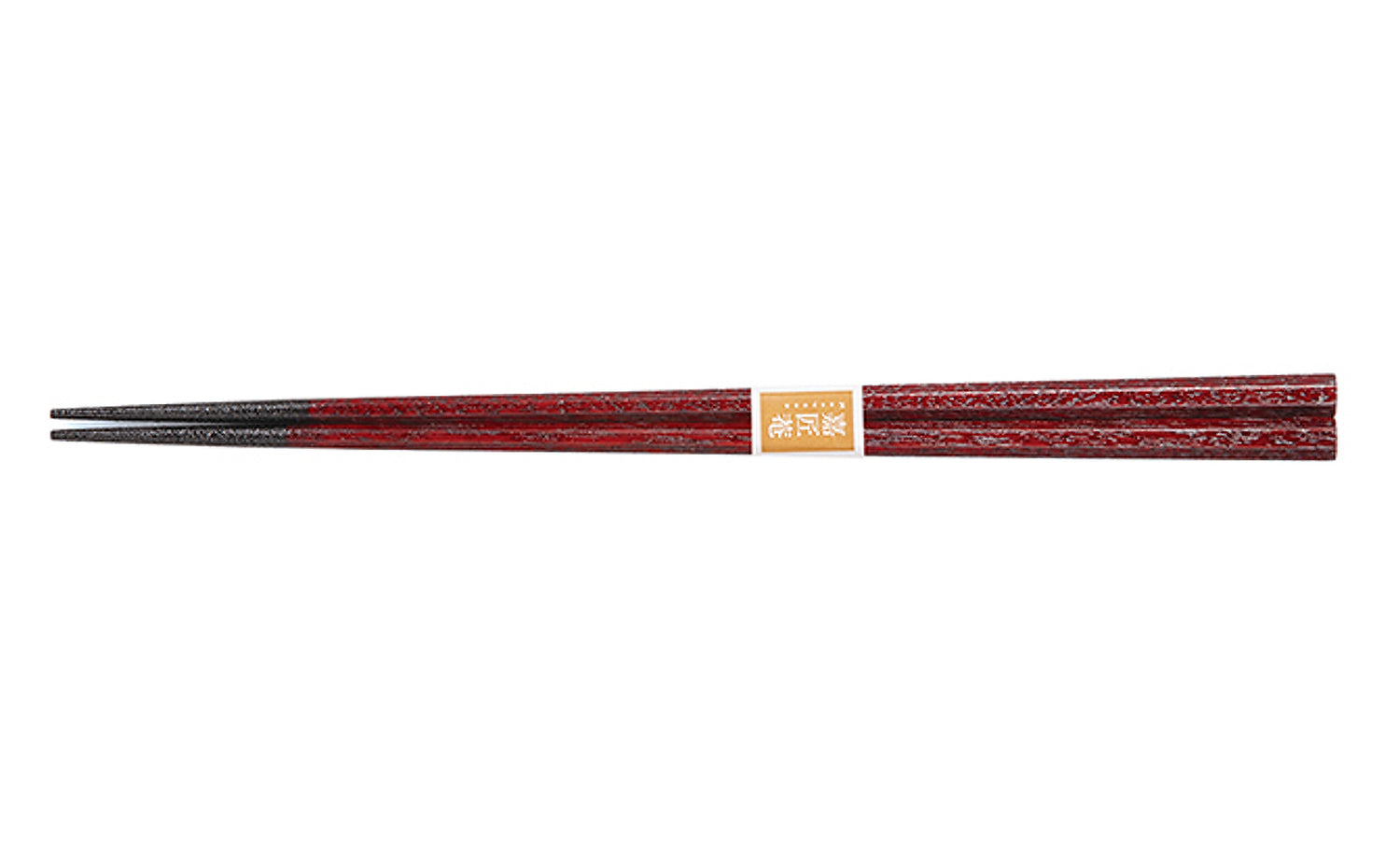
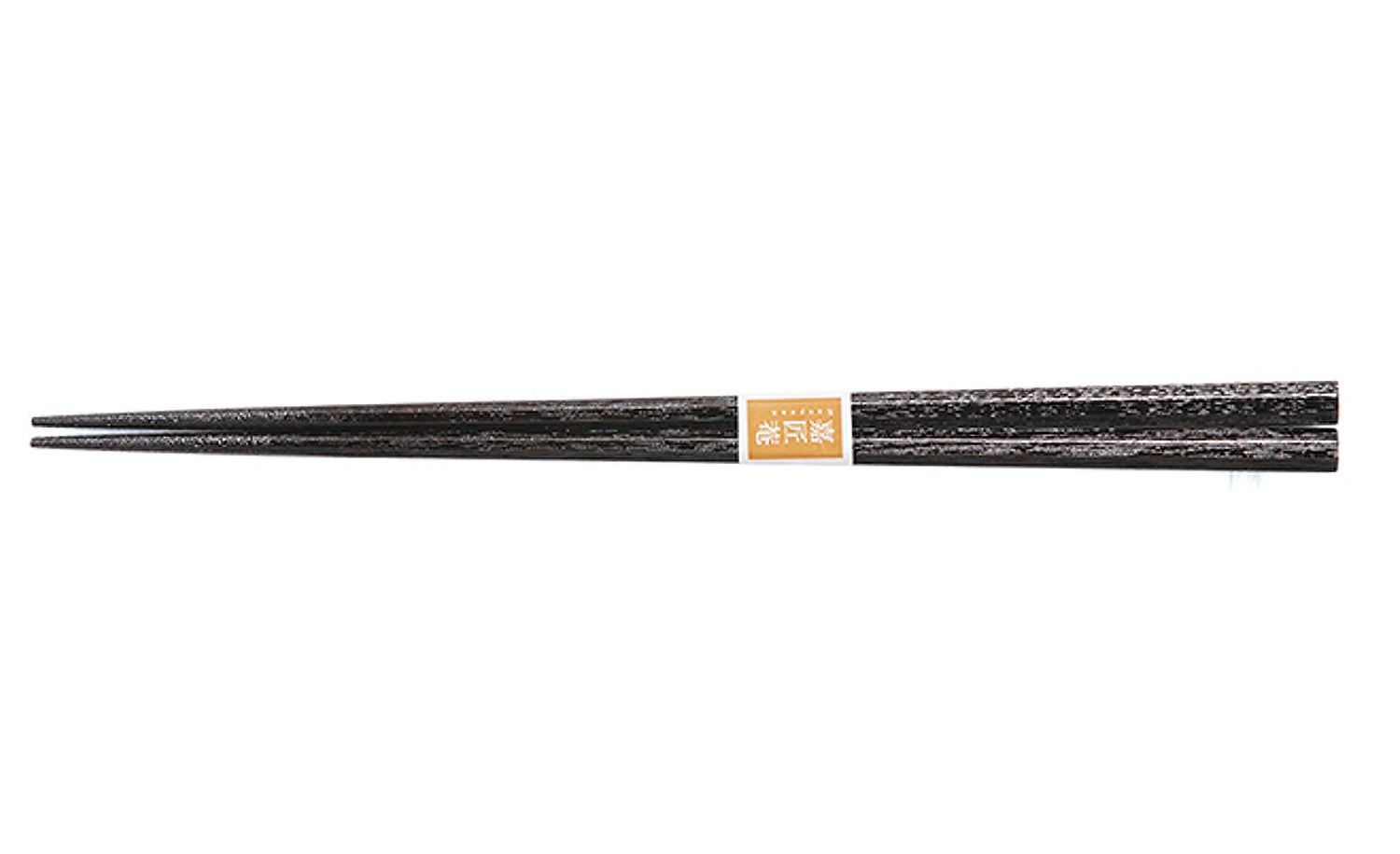
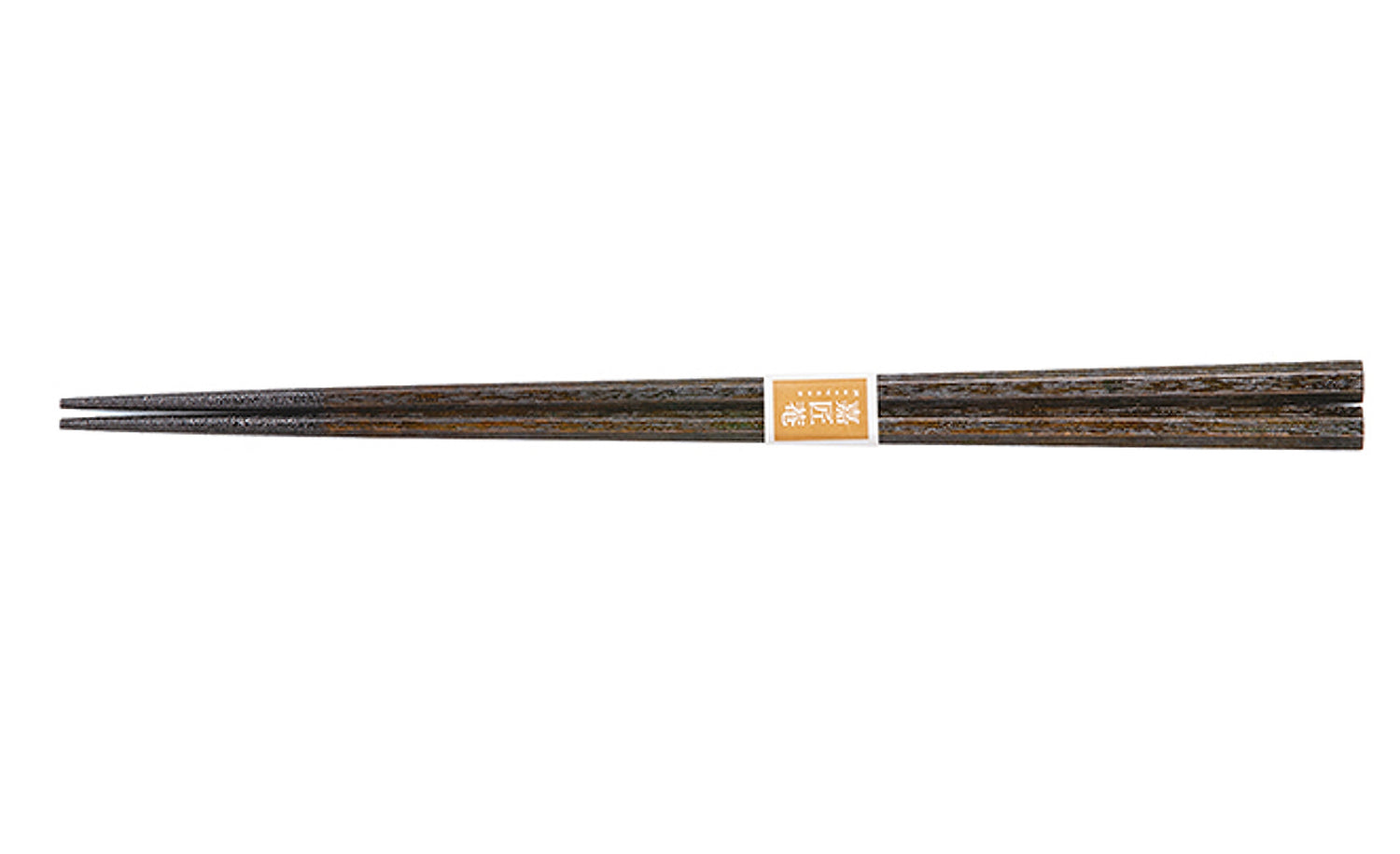
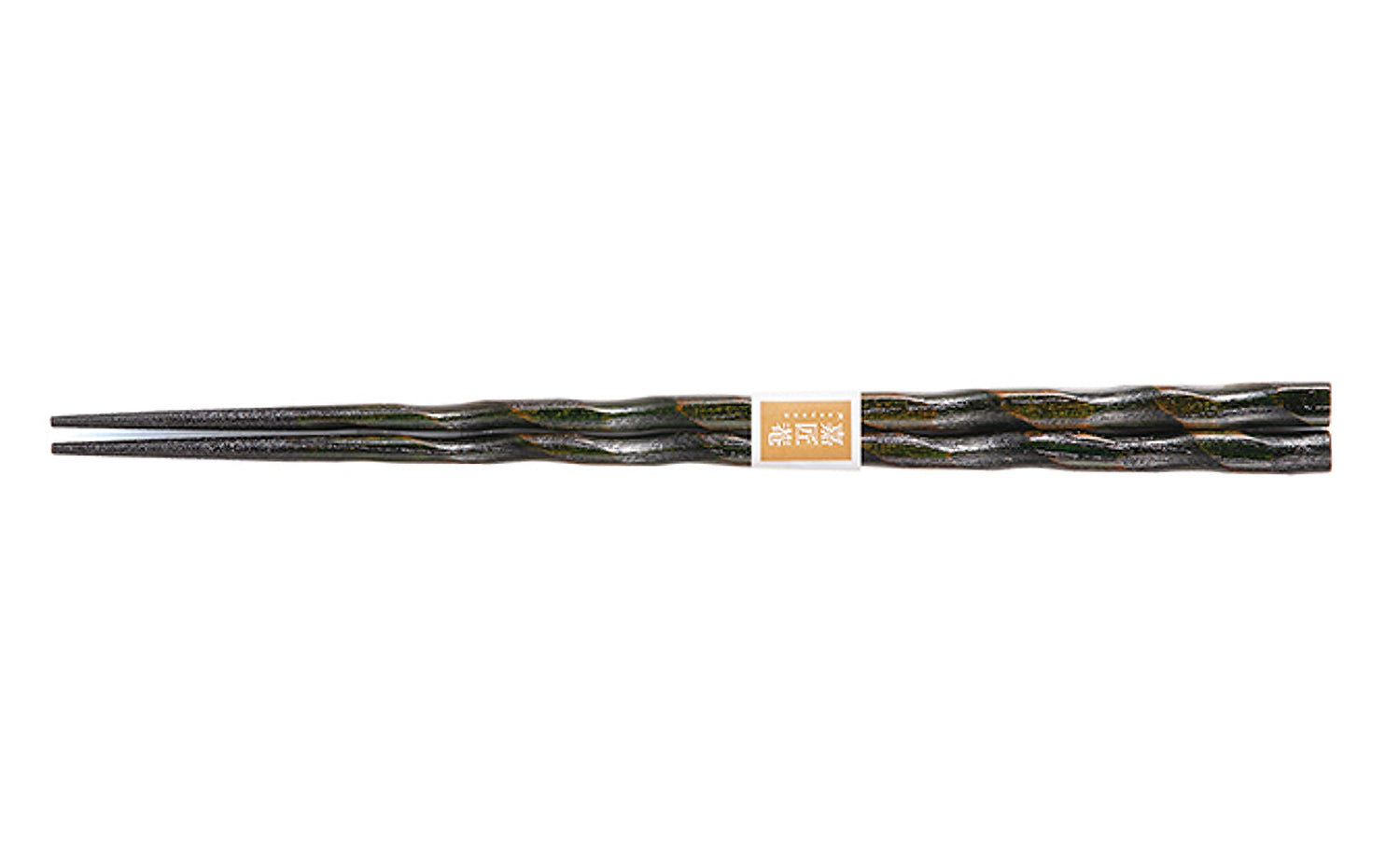
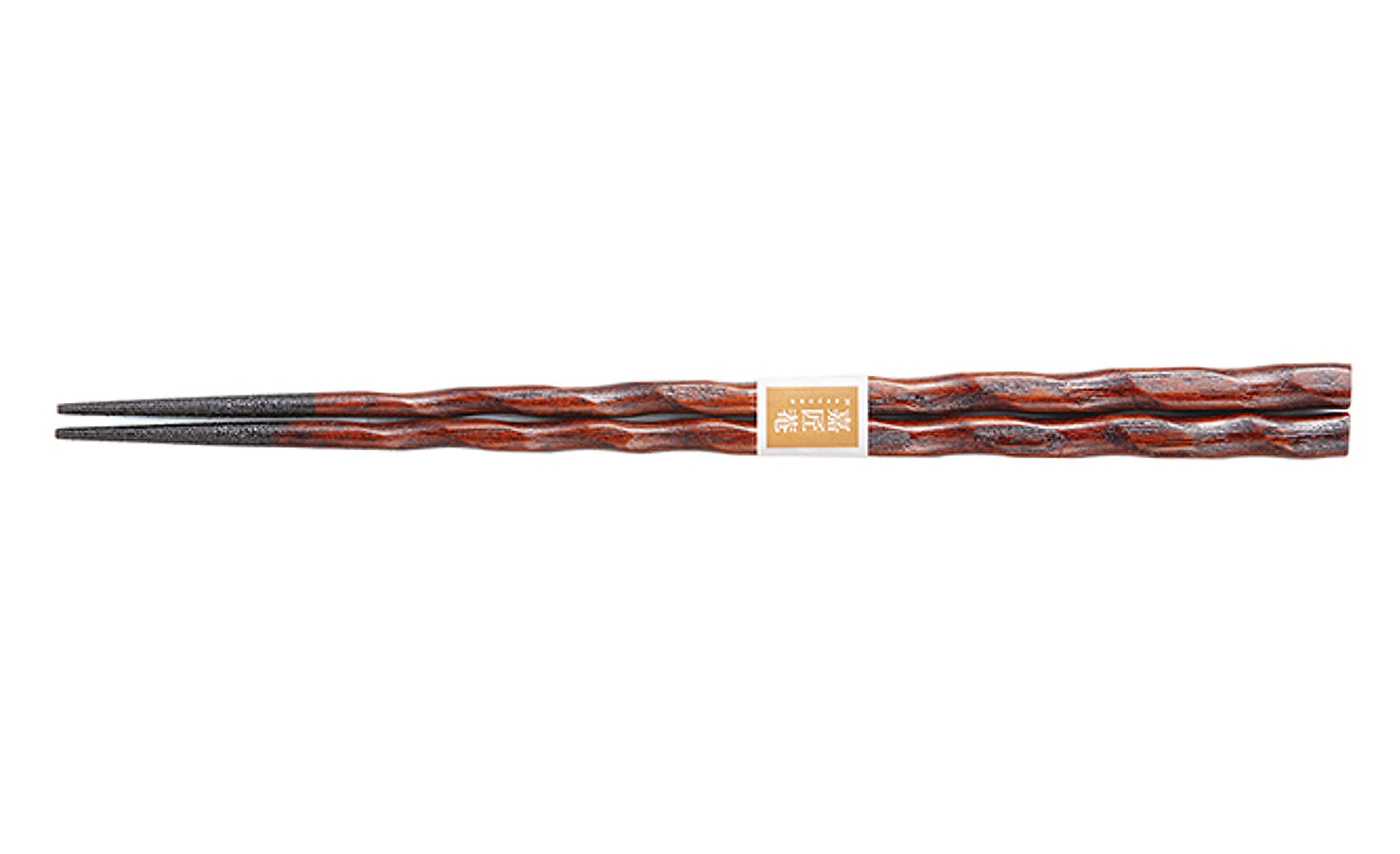
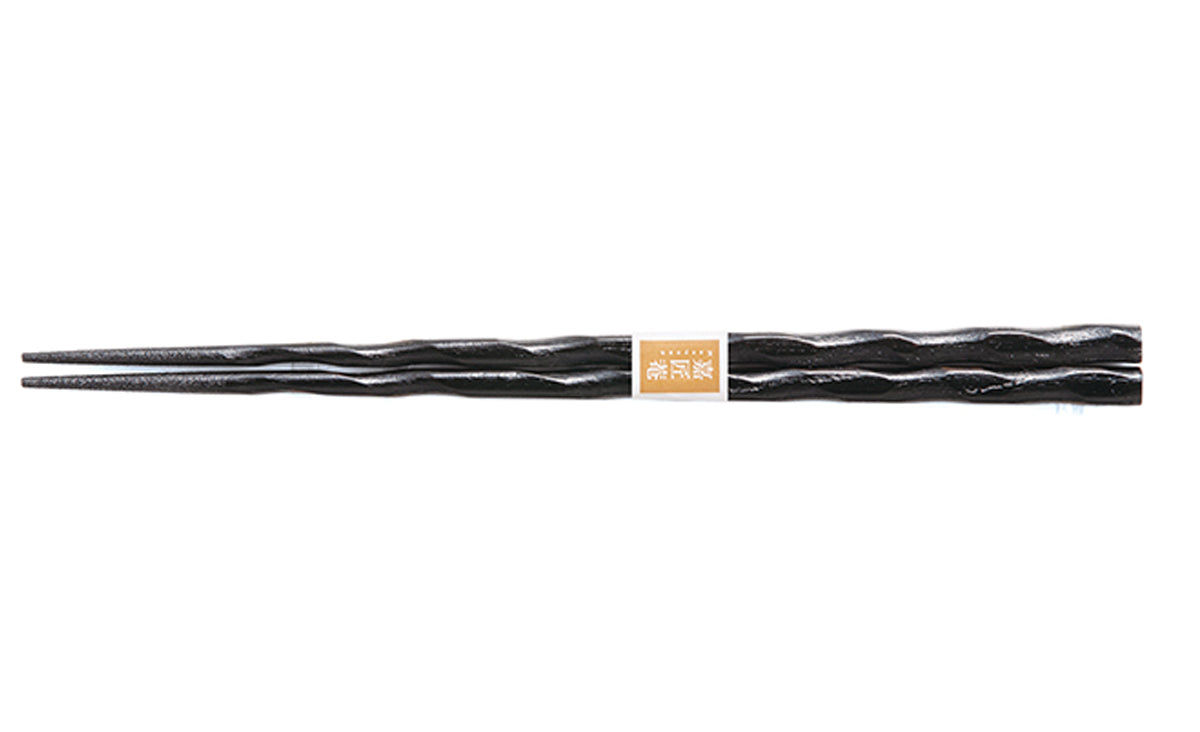
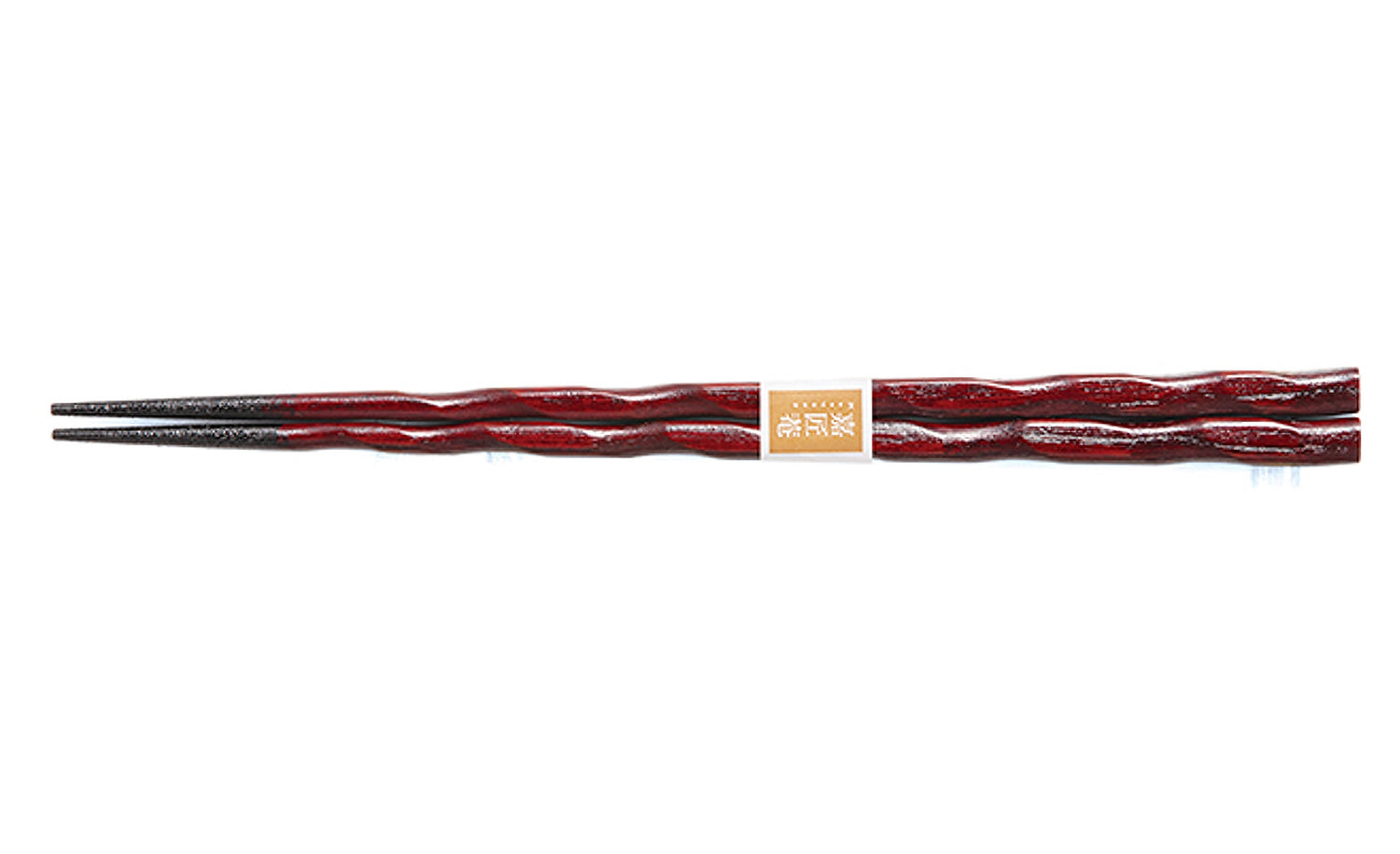
Japanese chopsticks often feature finely tapered tips, making them particularly well suited to the delicate movements required in Japanese cuisine, such as separating pieces of fish and picking up small or finely prepared foods.
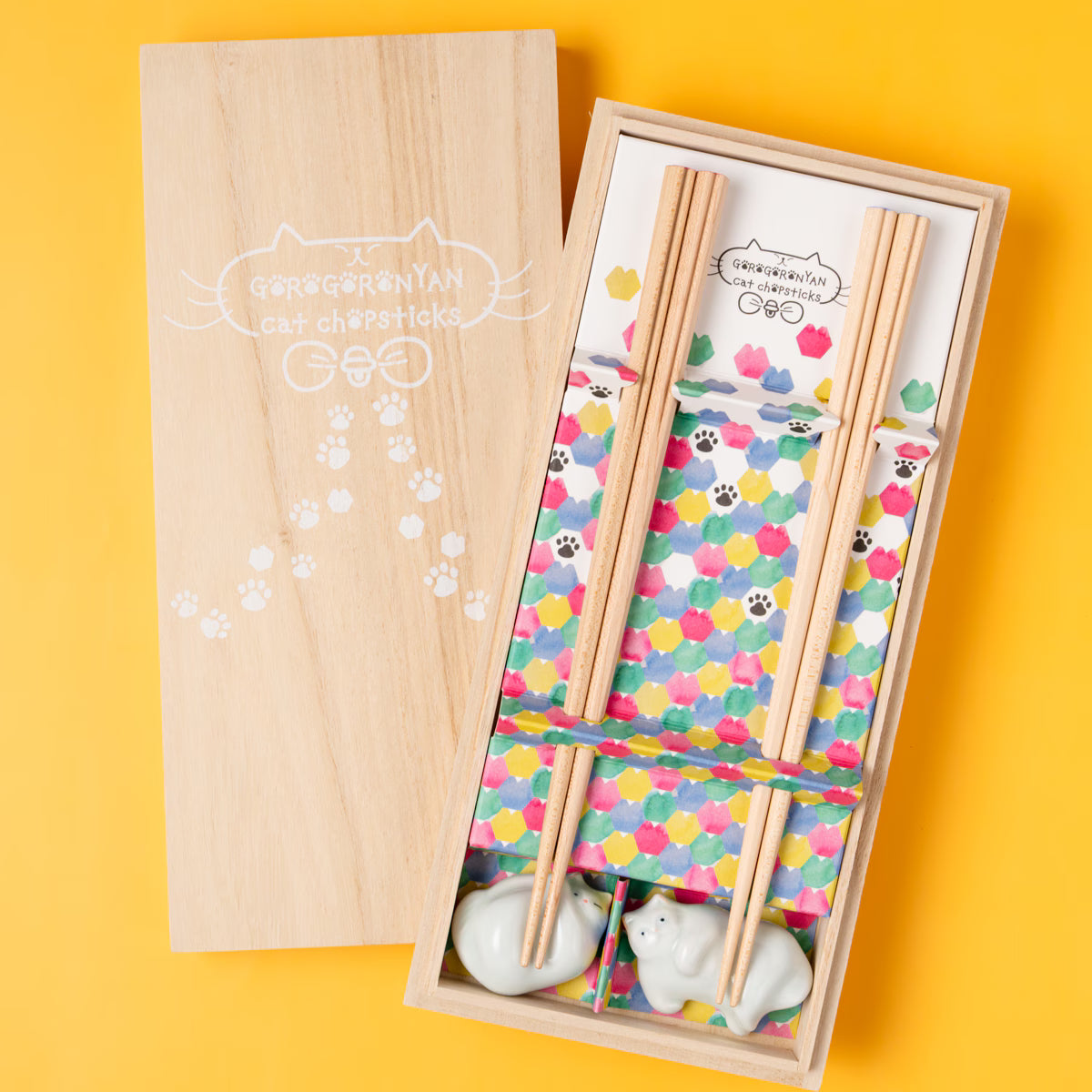
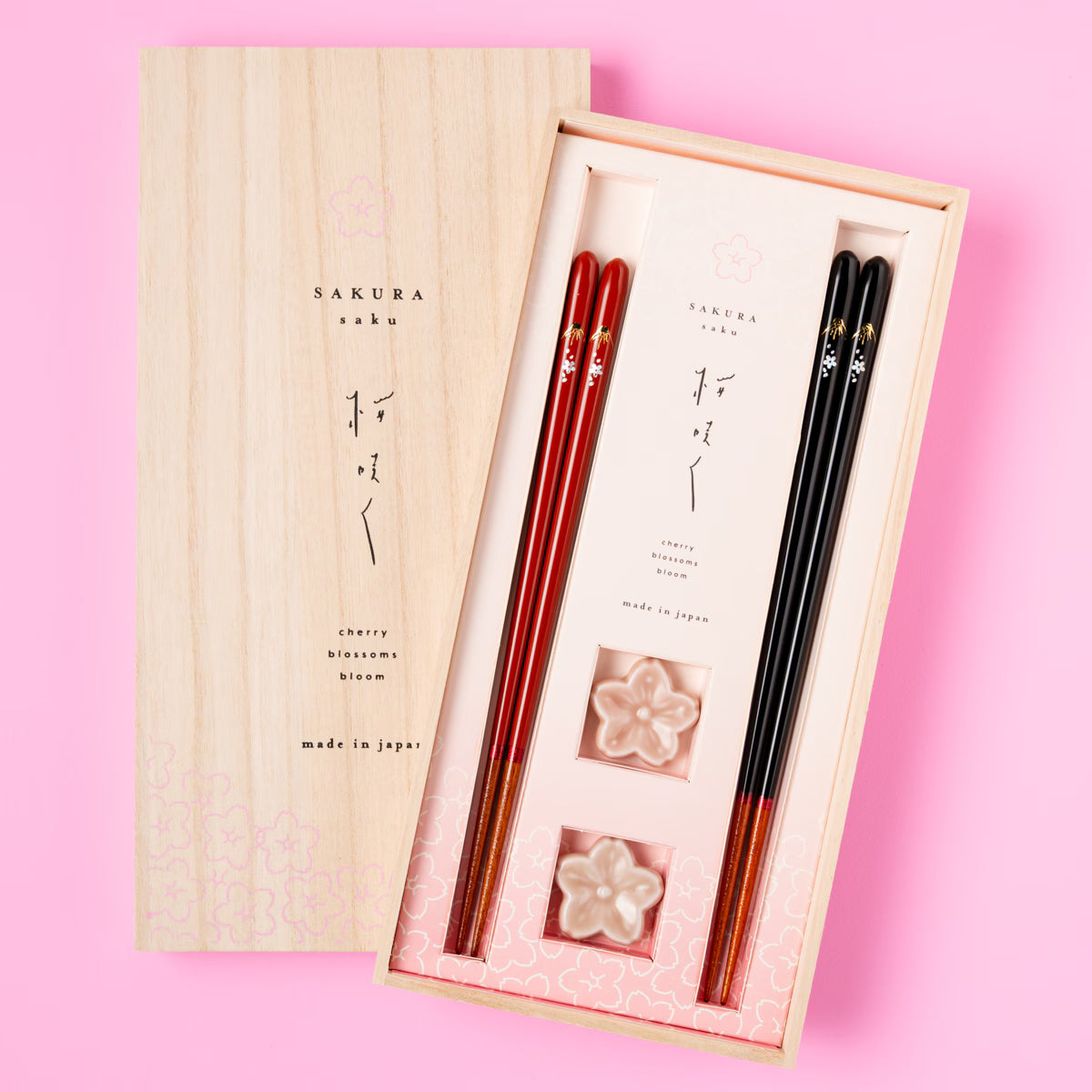
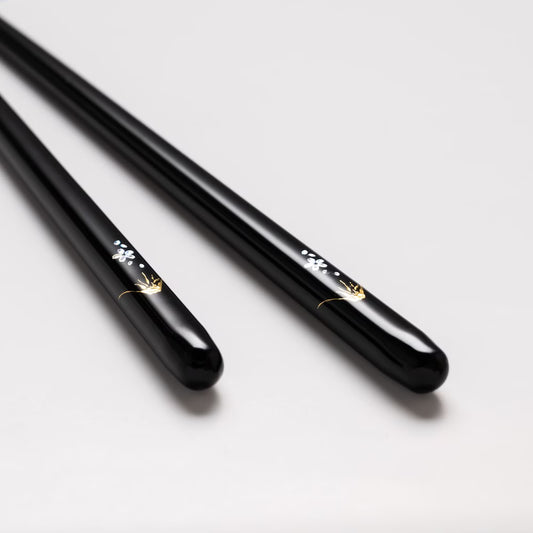
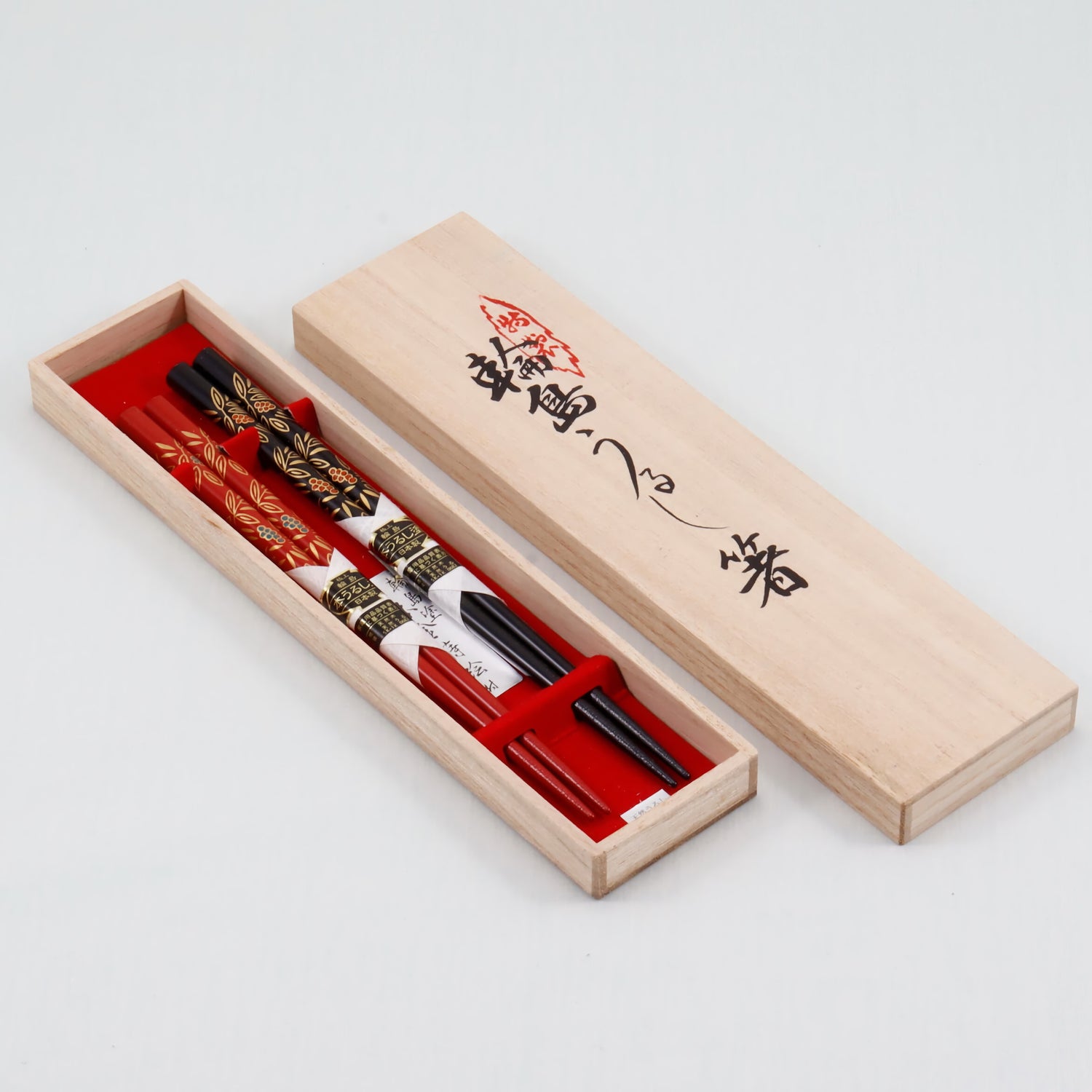
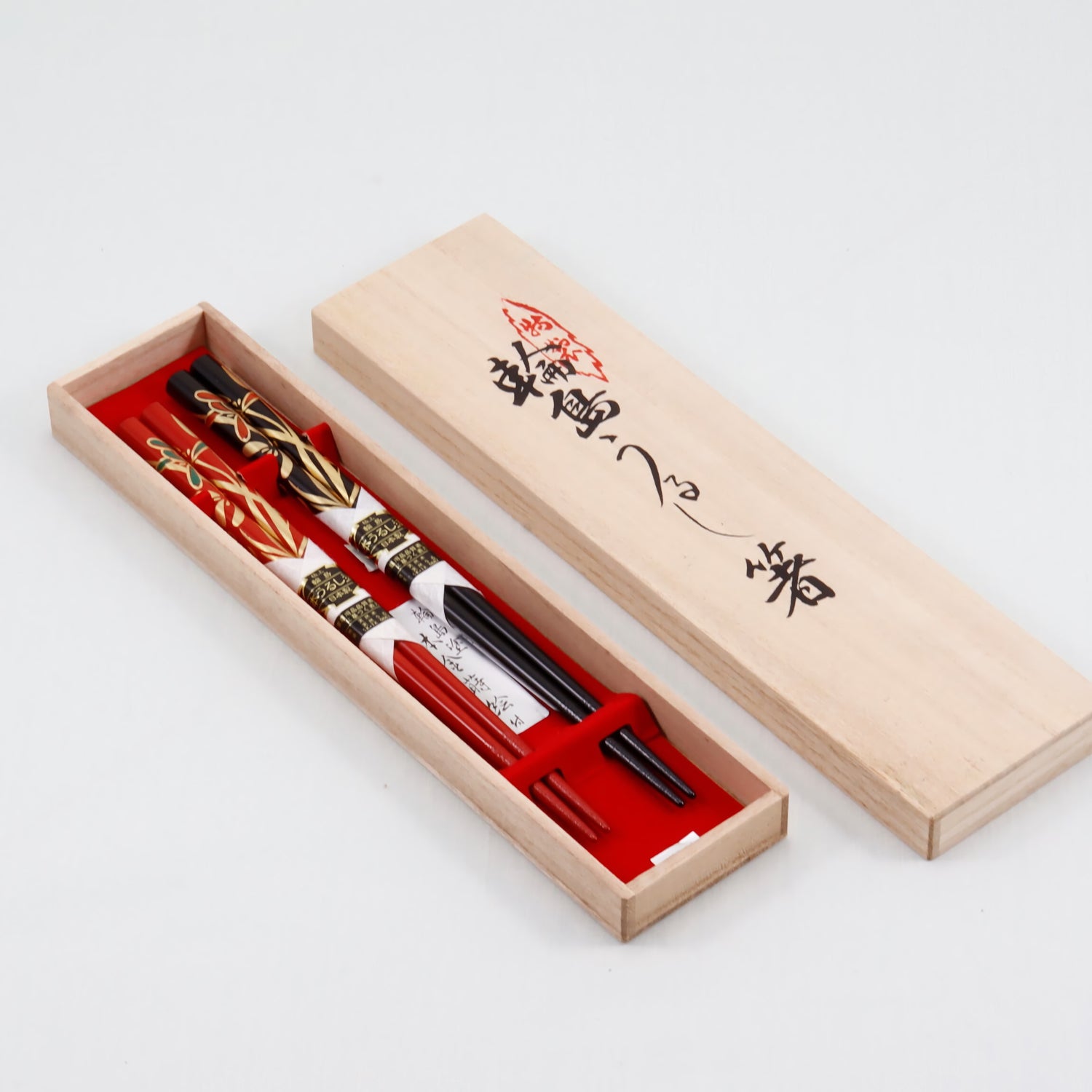
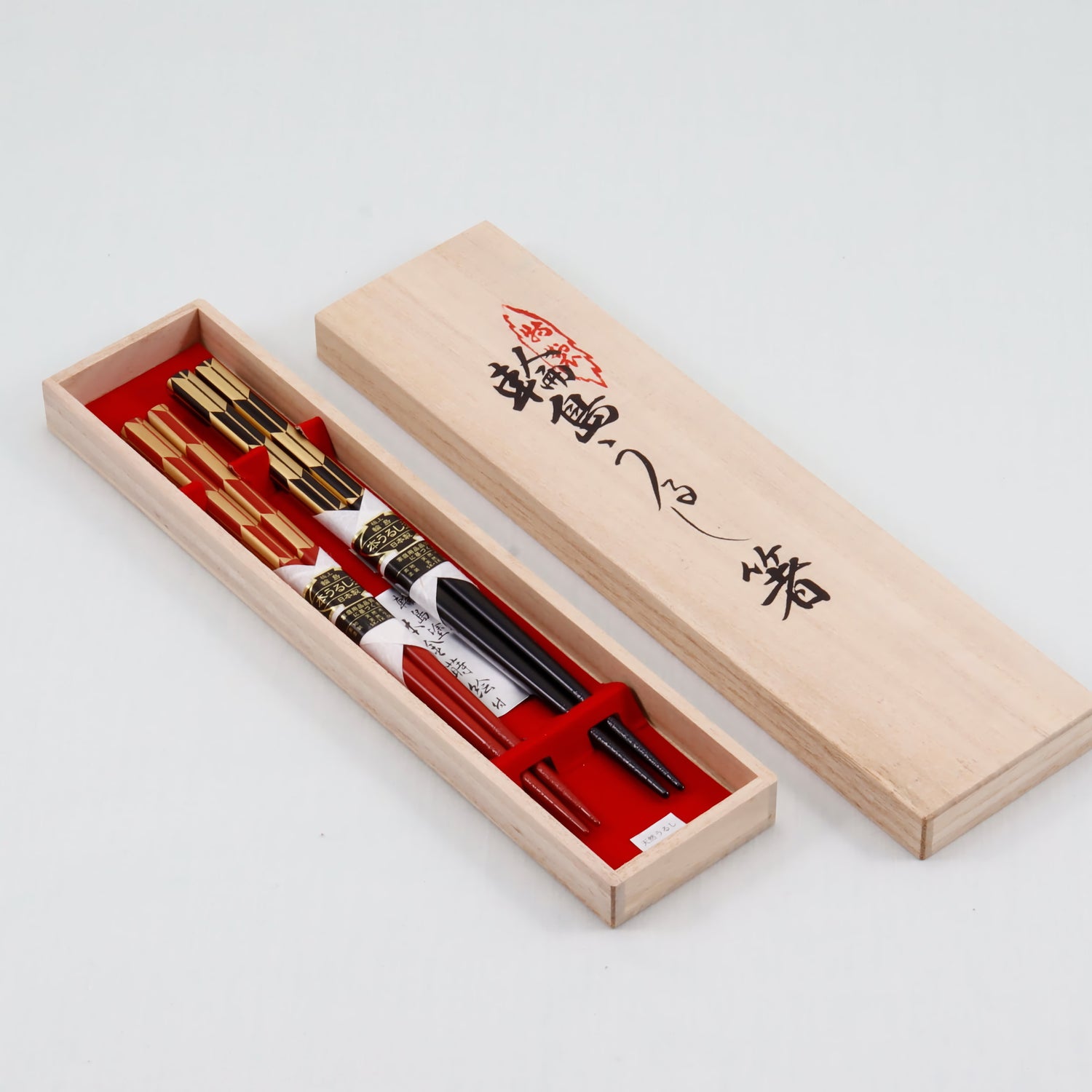
Wood and bamboo are commonly used materials, and some chopsticks are decorated using traditional Japanese craft techniques such as lacquerware and maki-e. Their shape, texture, and decoration vary depending on the region, materials, and craftsmanship involved.
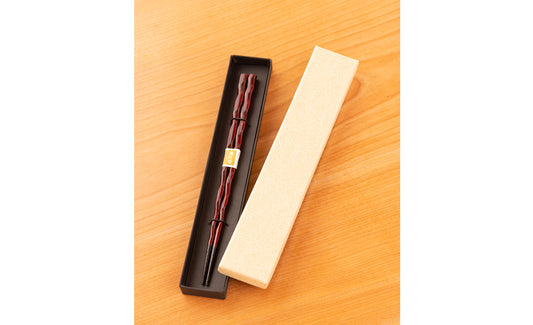
In Japan, chopsticks can also carry symbolic meaning beyond their practical use. They are sometimes associated with connecting people and relationships, partly through the wordplay between hashi (箸, “chopsticks”) and hashi (橋, “bridge”). For this reason, special chopsticks, including matching pairs for couples and celebratory chopsticks, are often chosen as gifts for weddings, longevity celebrations, and other important occasions.
Combining functionality with refined Japanese aesthetics, chopsticks offer a simple and meaningful way to experience Japan’s food culture and traditional craftsmanship in everyday life.

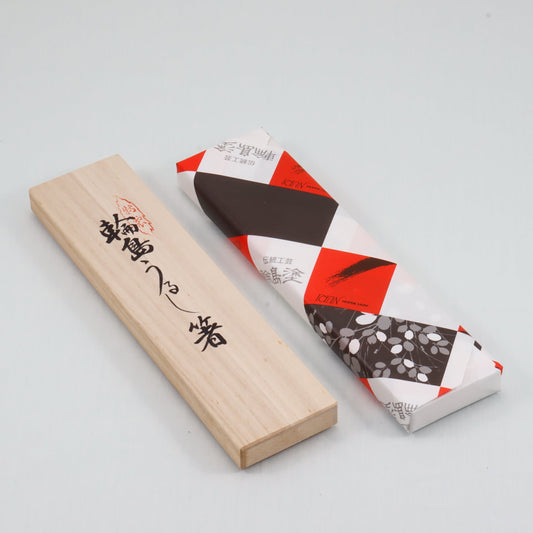
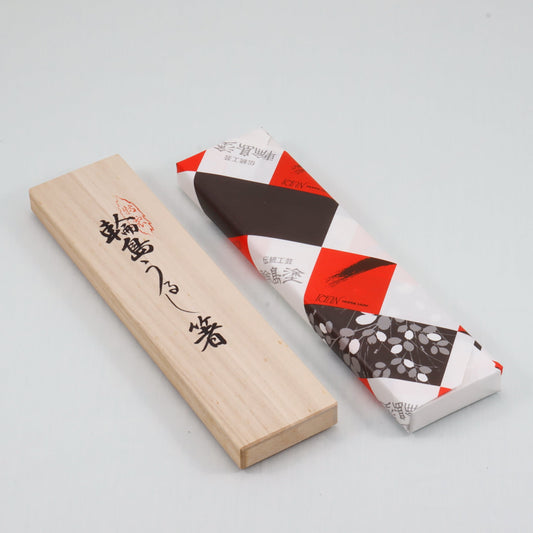
![ALL 21 TYPES: KUTANI IROE × WAKASA LACQUER CHOPSTICKS [BLACK / 23CM] / SEIKOU KILN](http://jp-art.shop/cdn/shop/files/146773989.jpg?v=1741703738&width=1500)
![ALL 21 TYPES: KUTANI IROE × WAKASA LACQUER CHOPSTICKS [BLACK / 23CM] / SEIKOU KILN](http://jp-art.shop/cdn/shop/files/ythdtyh.jpg?v=1741733970&width=533)
![JAPAN KUTANI CHOPSTICK RESTS [RED & GREEN] / HARE-KUTANI](http://jp-art.shop/cdn/shop/files/hrthrth_0e9a7db5-5629-49ae-af26-0e4acb8c9286.jpg?v=1739579005&width=1500)
![JAPAN KUTANI CHOPSTICK RESTS [RED & GREEN] / HARE-KUTANI](http://jp-art.shop/cdn/shop/files/154513007_o3.webp?v=1739579008&width=533)




Recently viewed
Let customers speak for us
Arrived in excellent condition. Extremely well packaged. Shipping time was very short. Product was what we were expecting.

A gift for my wife’s birthday.
She loves it,

I couldn't be happier with this Kutani ware incense burner. The decoration is just beautiful. The store were very quick to process and ship my order - I'd happily buy from them again.

Long lead item but was perfect when received.

Super fast international shipping, extremely well packed and beautiful presentation. COMPLETELY WOWED!

Packaging was perfect and arrive safely. Amazing packaging and execution

it arrived elegantly wrapped and safely packed, the item itself is fabulous.

I was so pleased with the beautiful craftsmanship of this delicate bowl, and the way it came wrapped in a wooden box tied up in cloth. Exceptional experience.

As beautiful as it is on the photo! It feels one of a kind.

Very pleased with both the item and customer service experience. Beautifully packaged, fast delivery, great communication from seller.

The website, product, process and service have all been first-class.

Nice flower vase. Good product!

This is adorable! I need all the colors!

Once again, I just put them all around my home and enjoy them!

In love with it ... art
