
Collection: Karakusa Arabesques Style
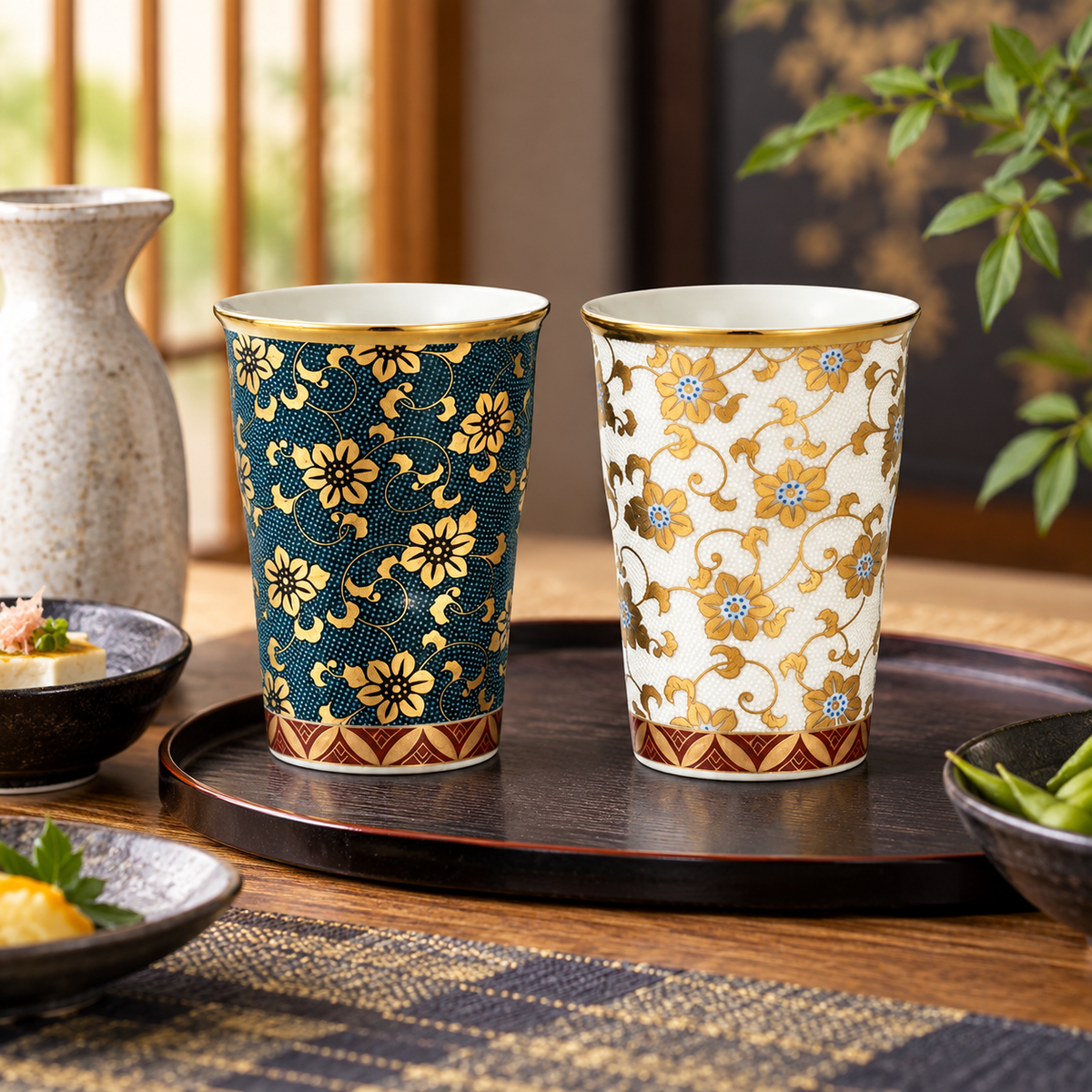
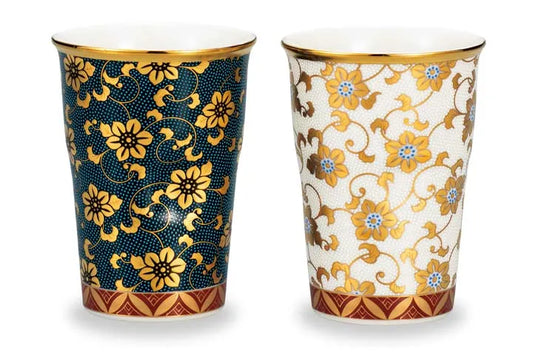
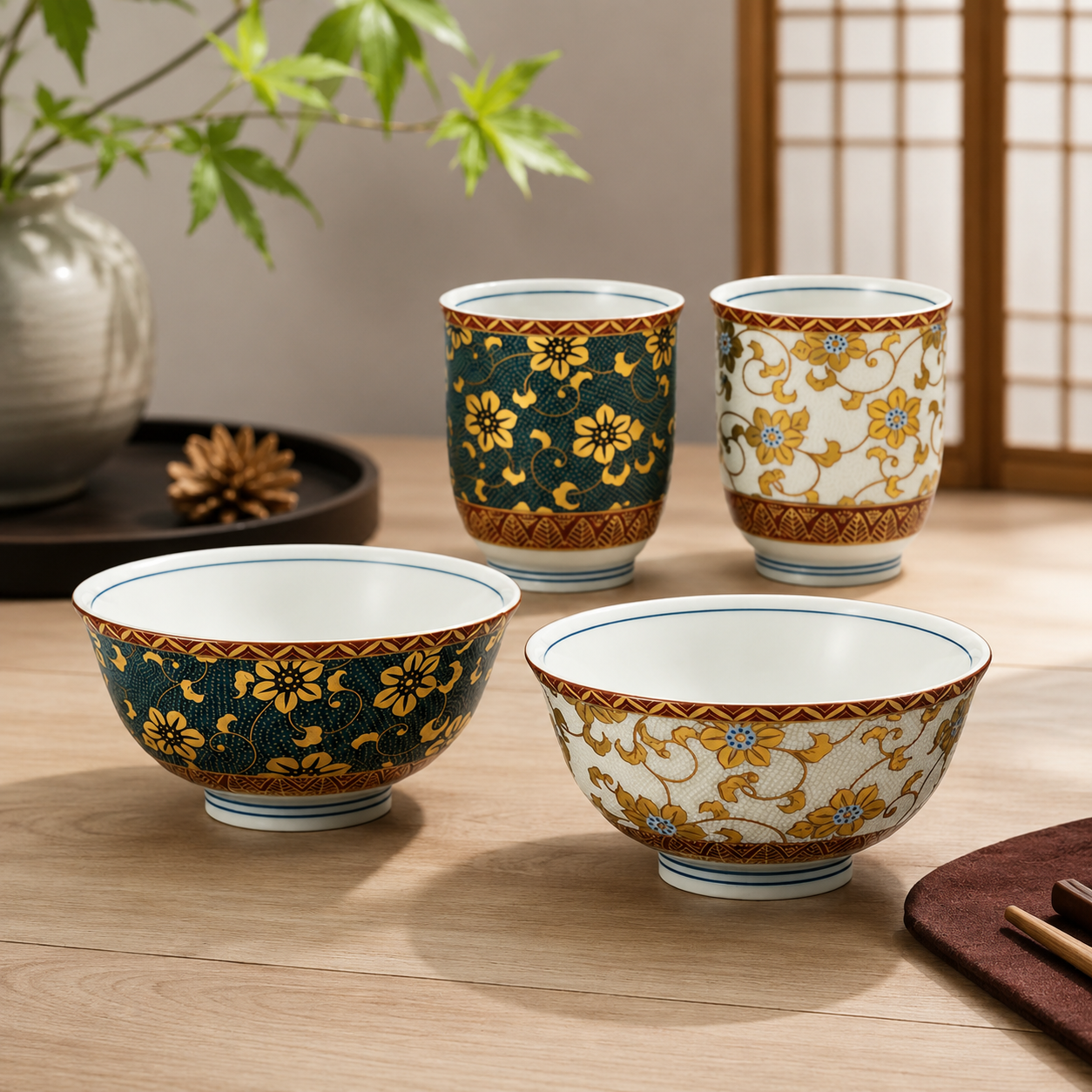
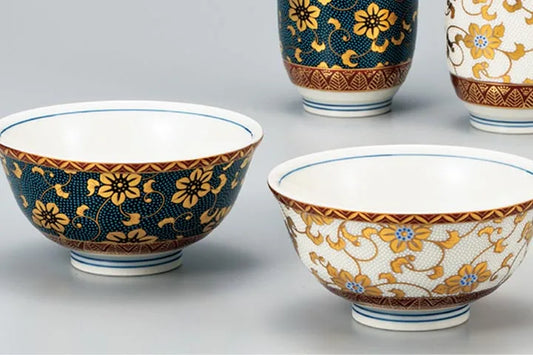
Karakusa (Arabesques)
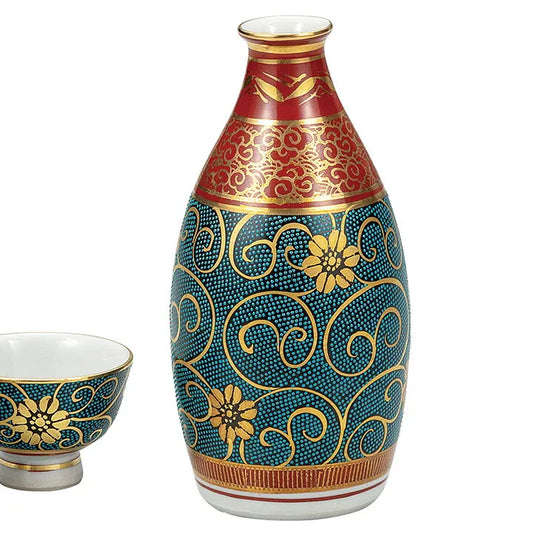
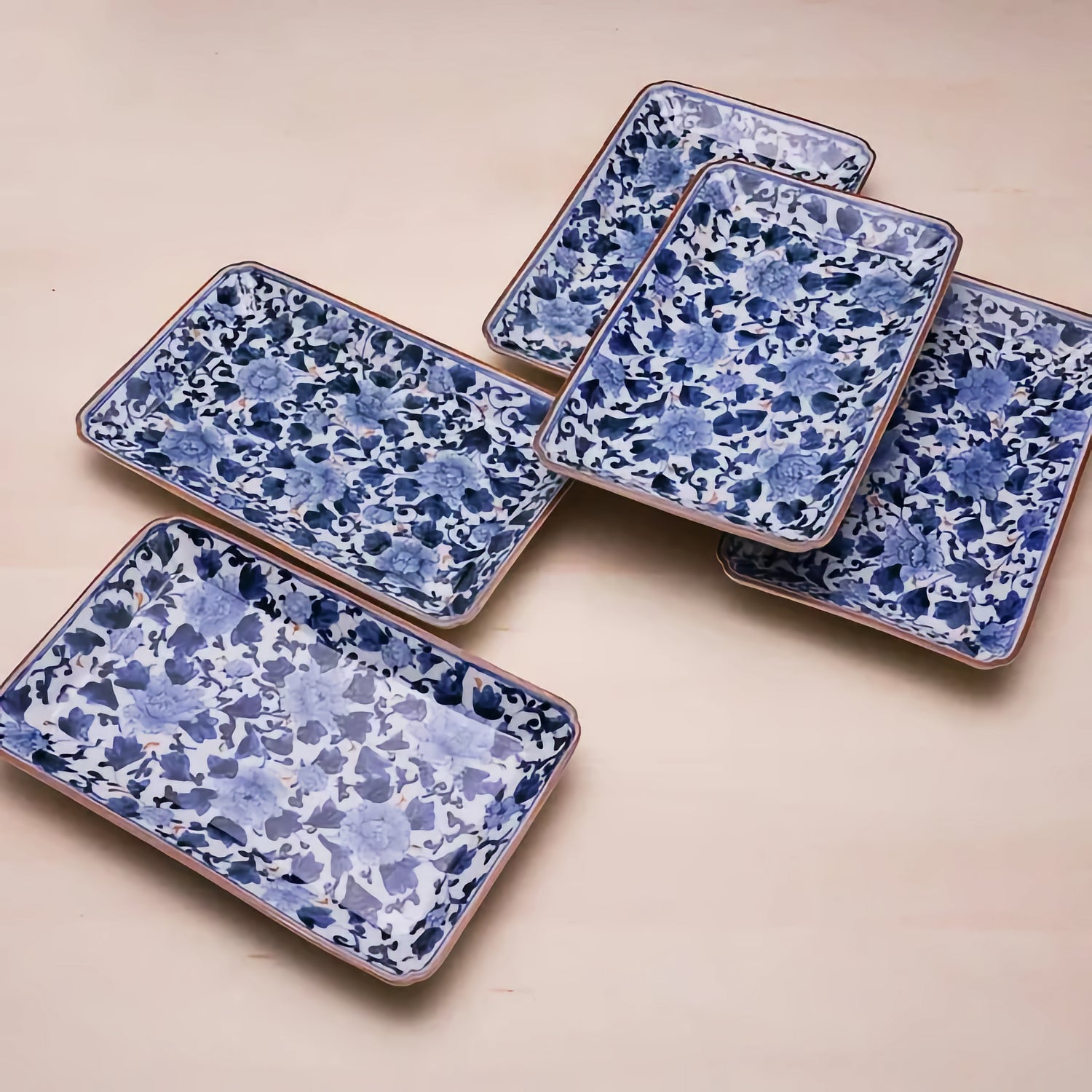
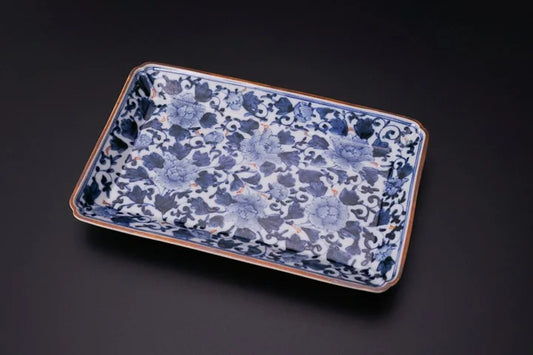
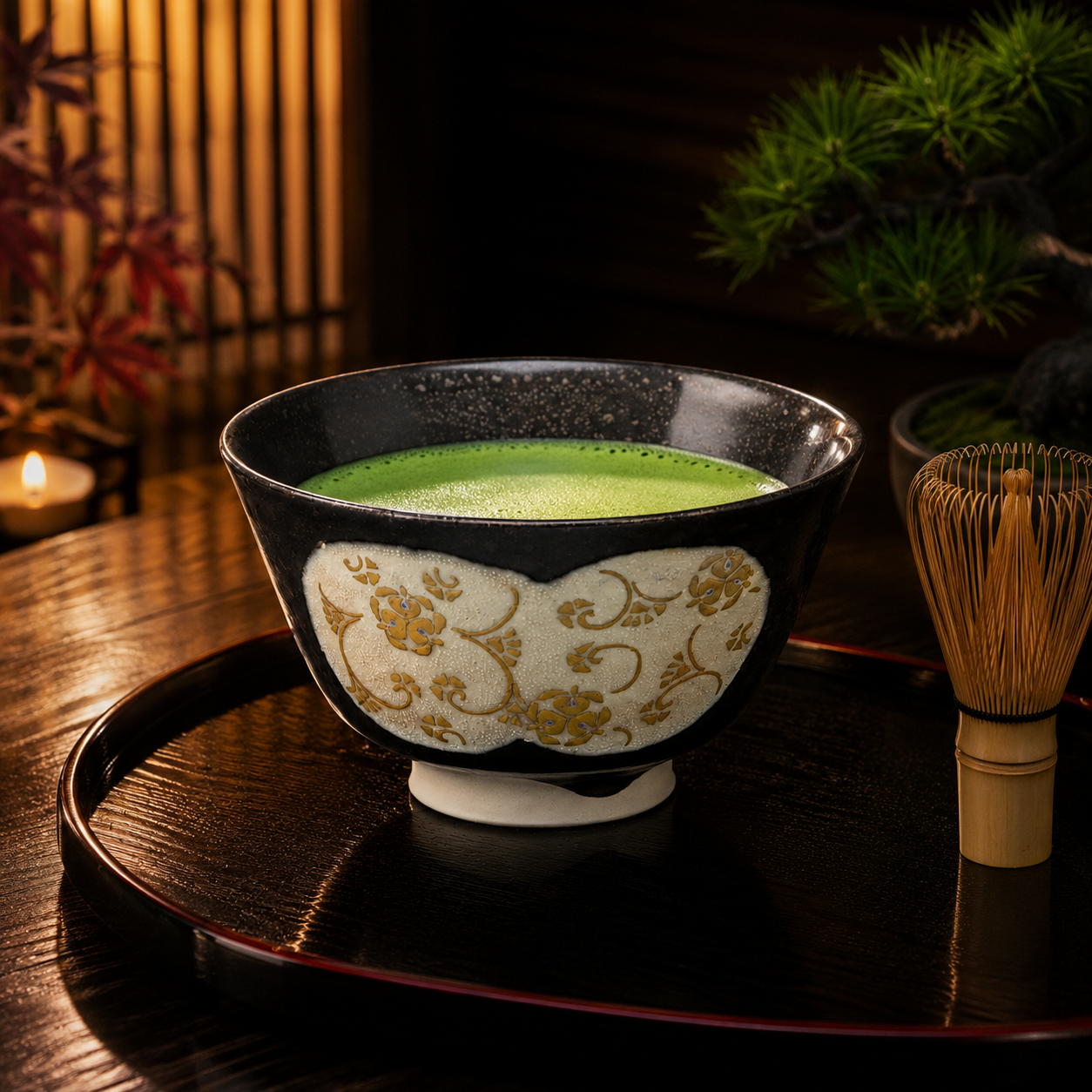
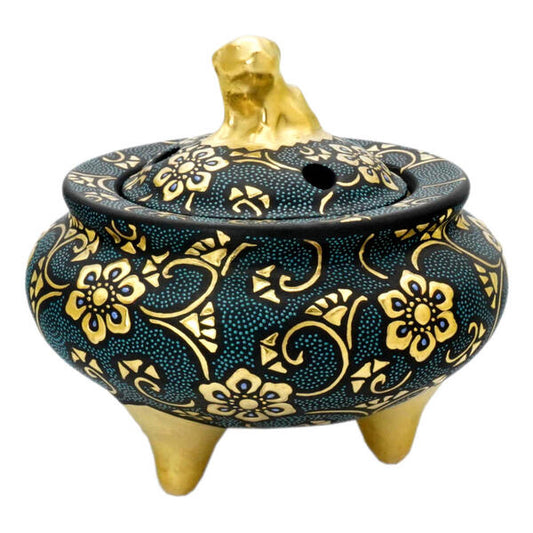
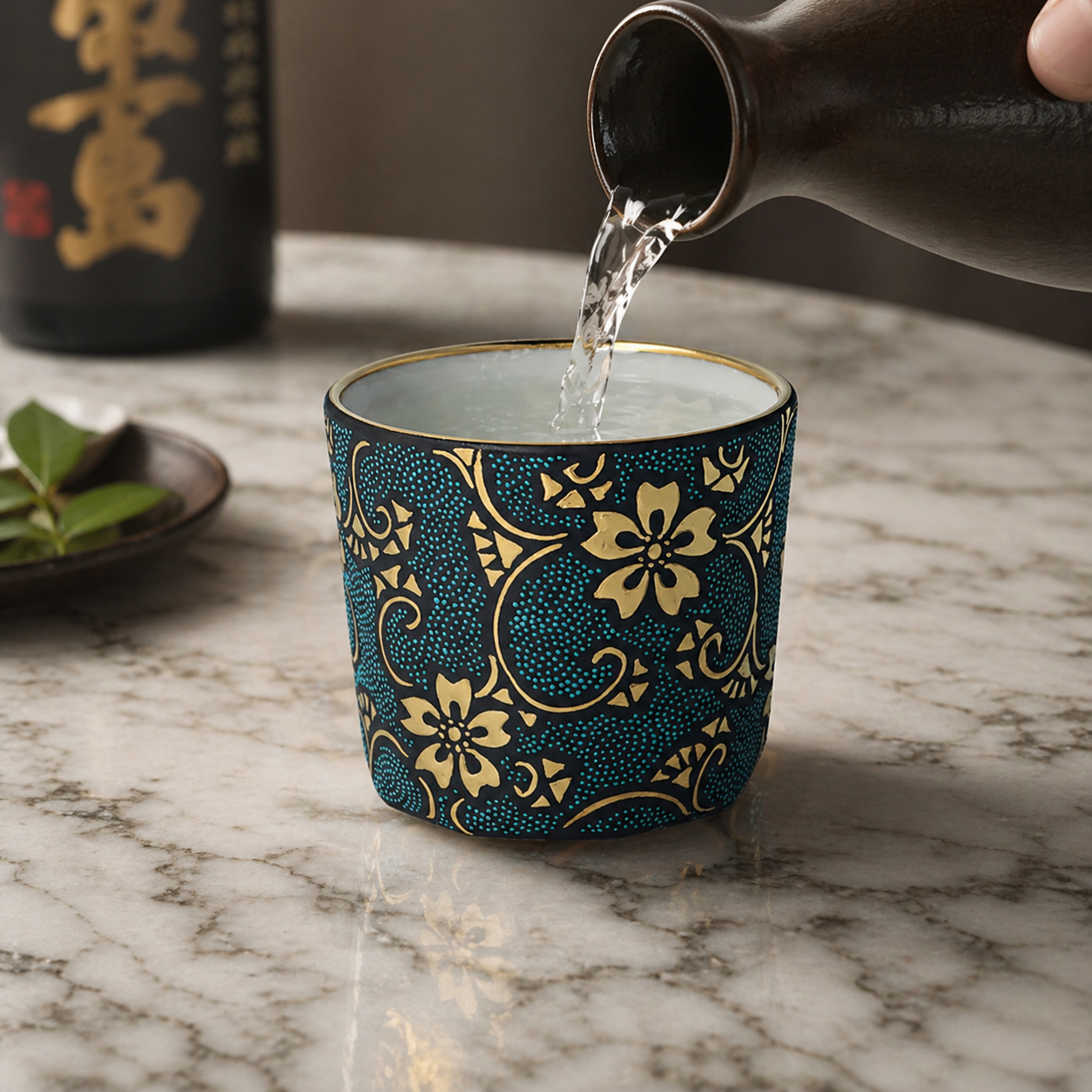
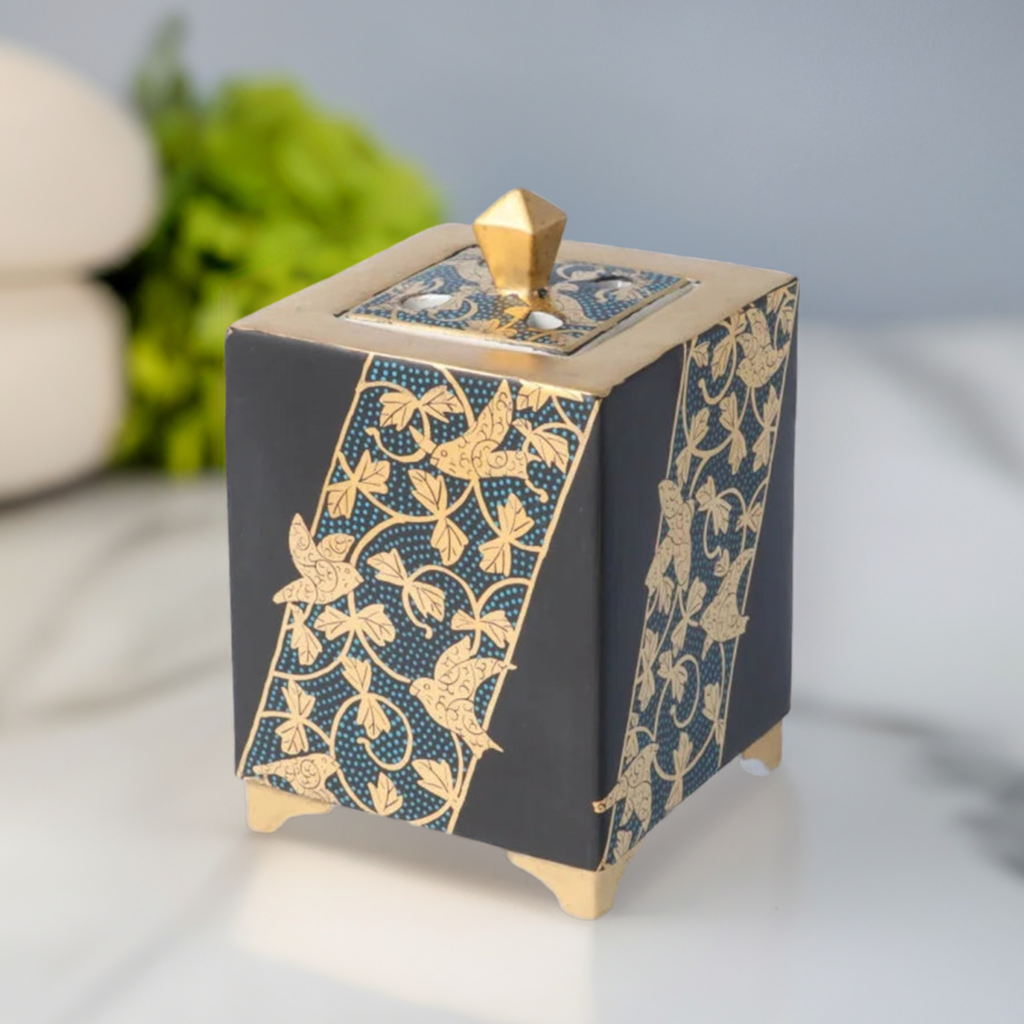
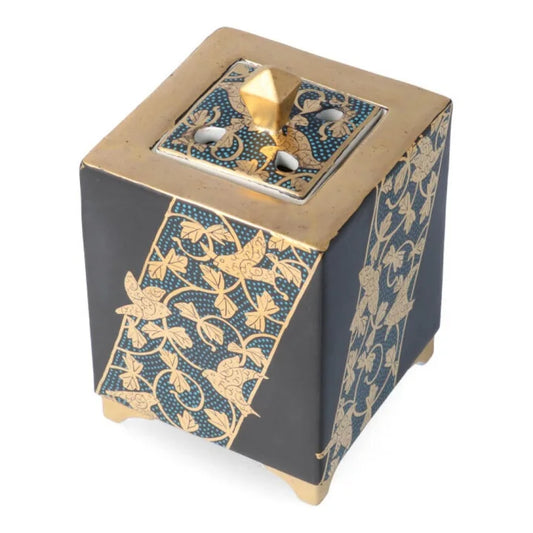
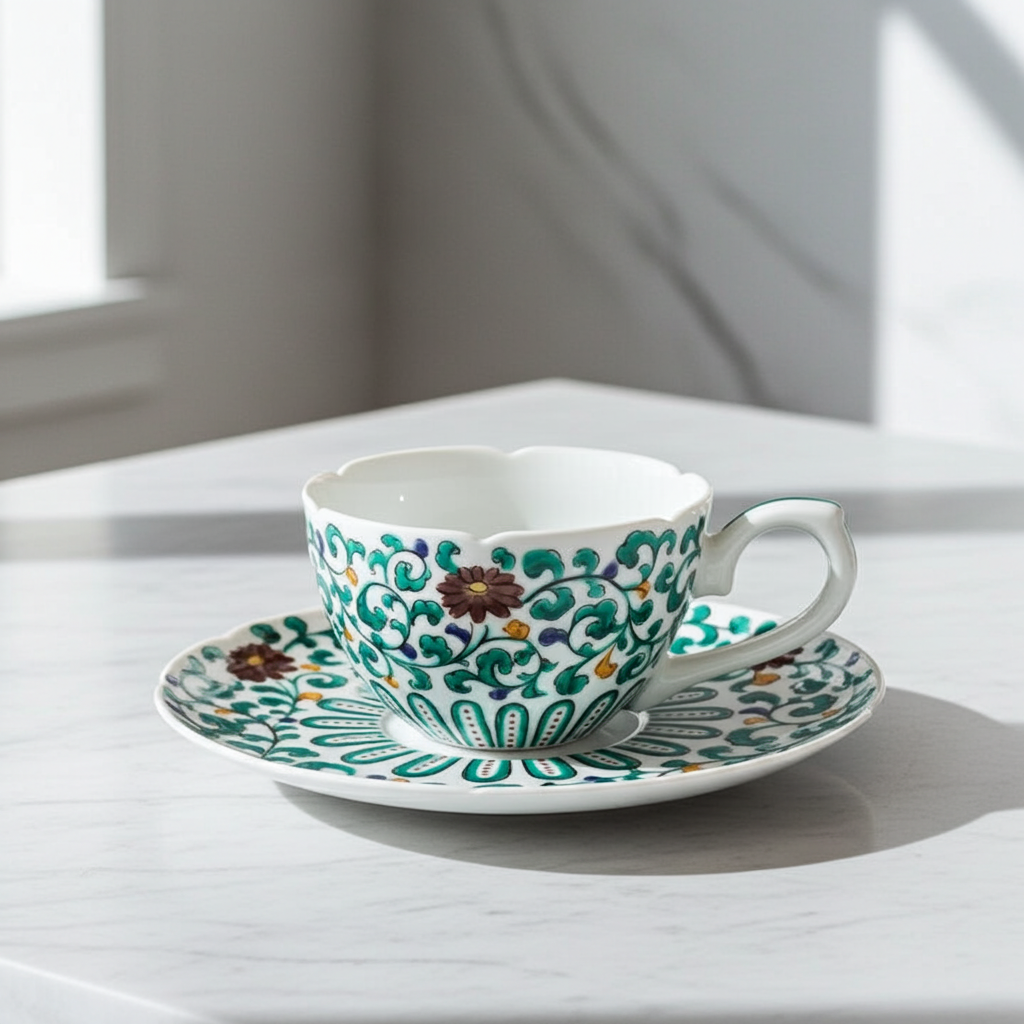
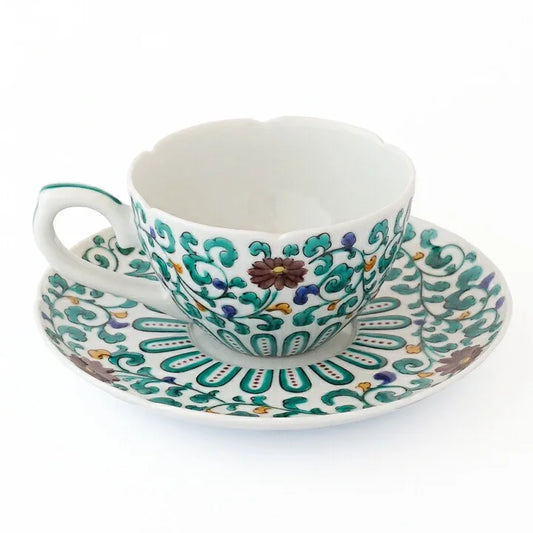
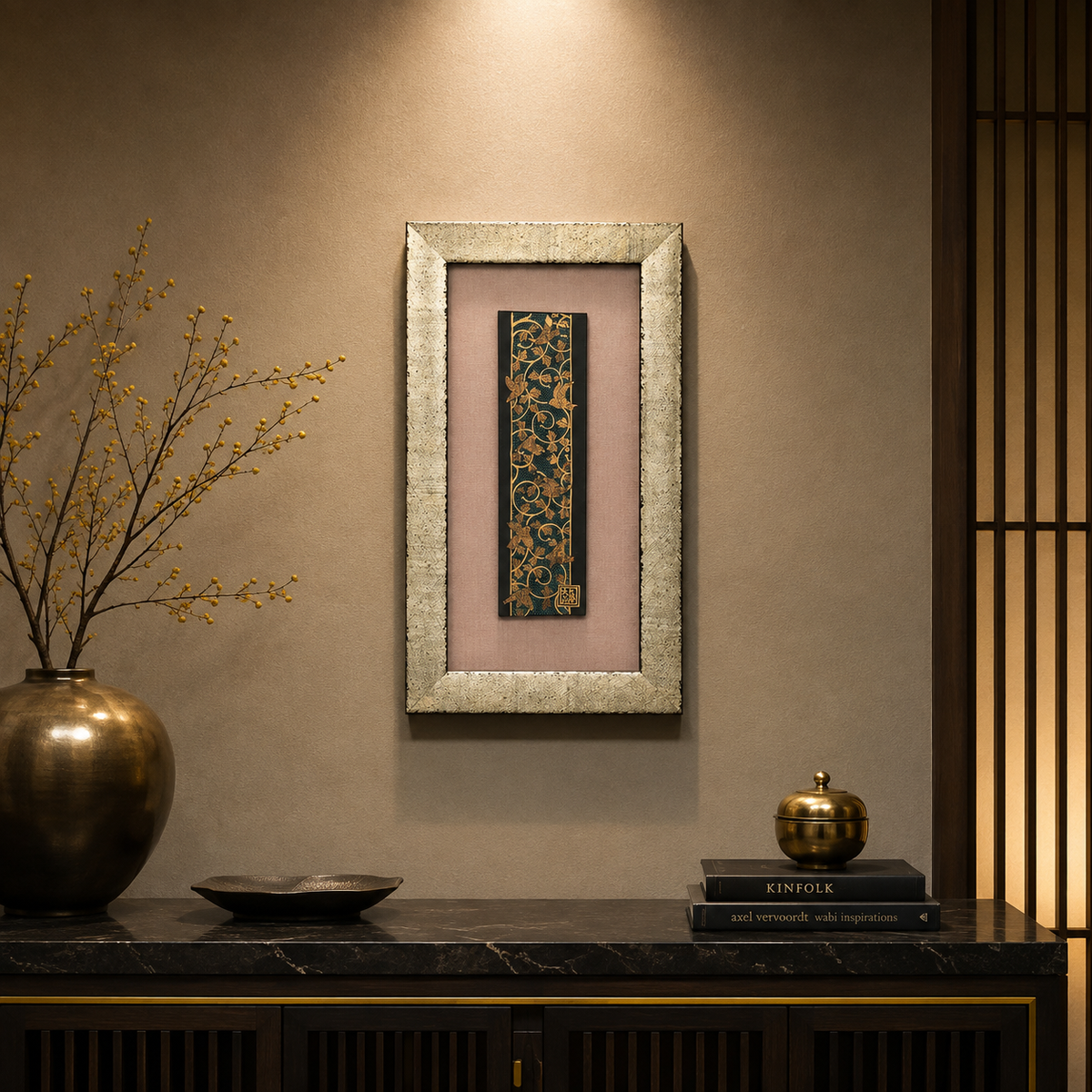
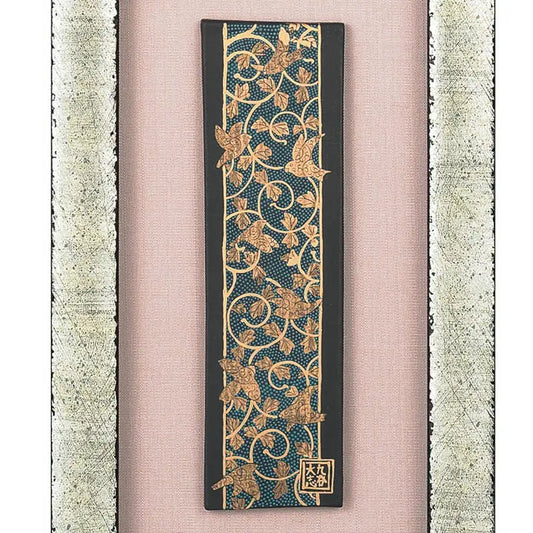
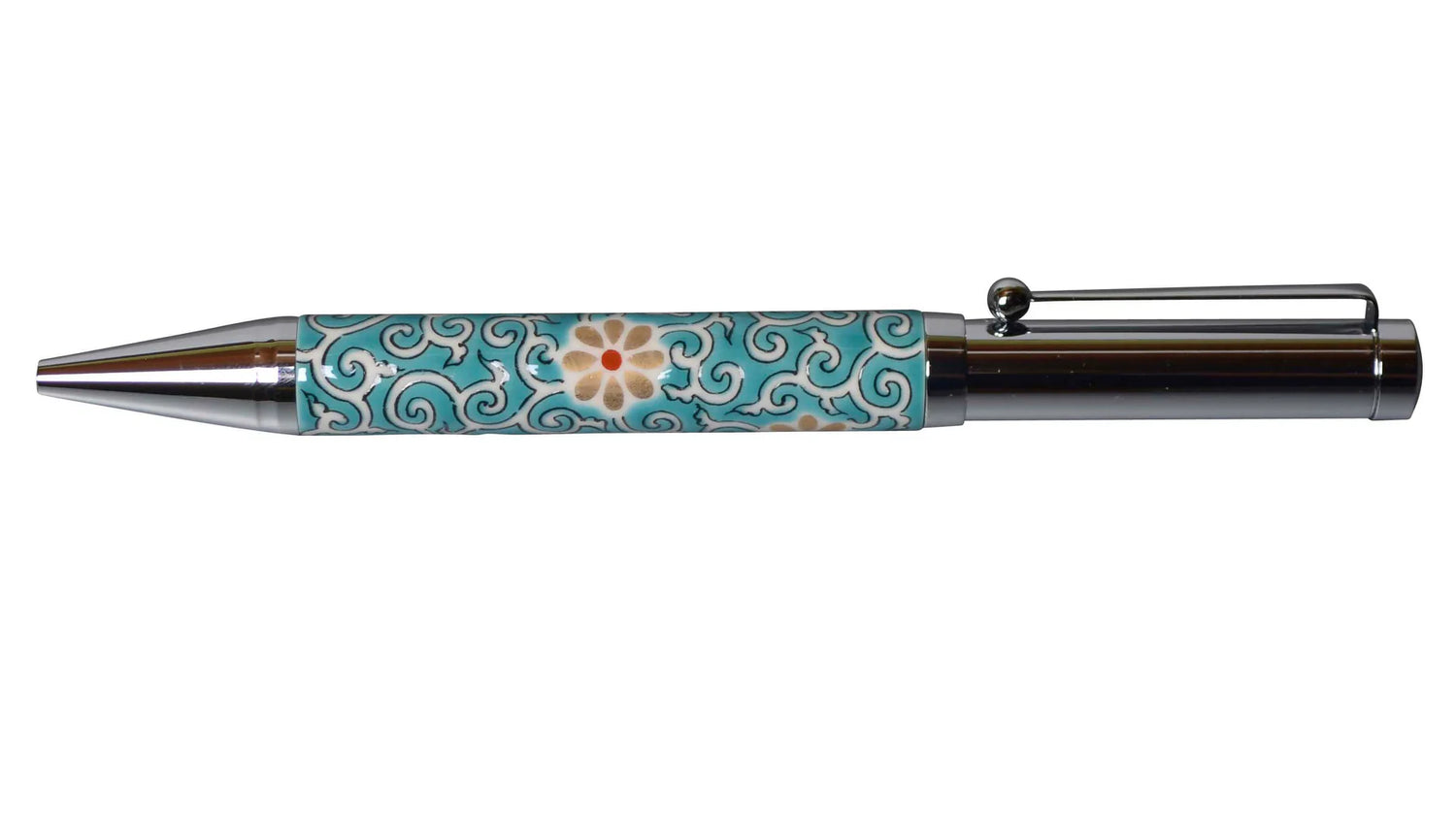
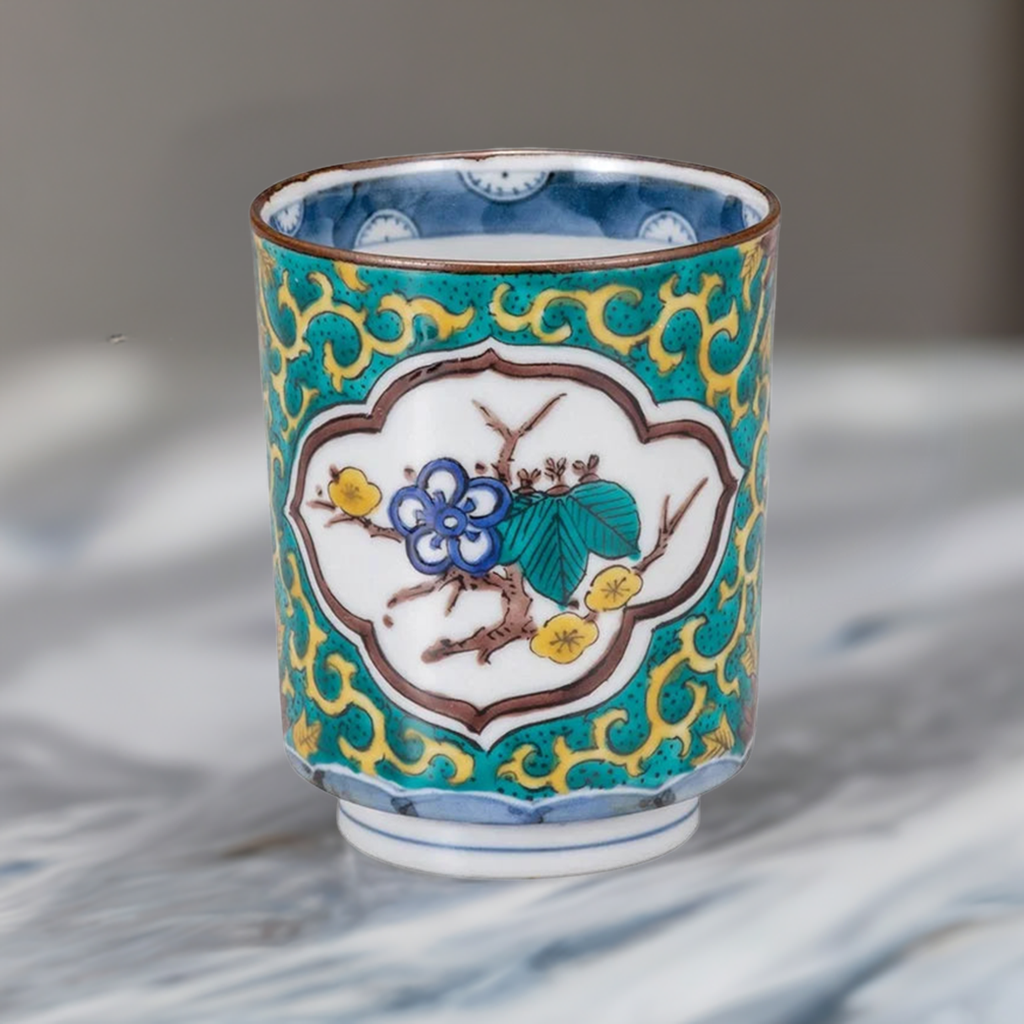
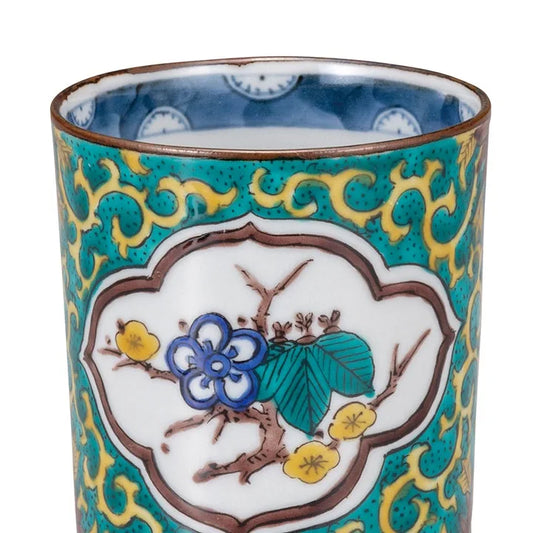
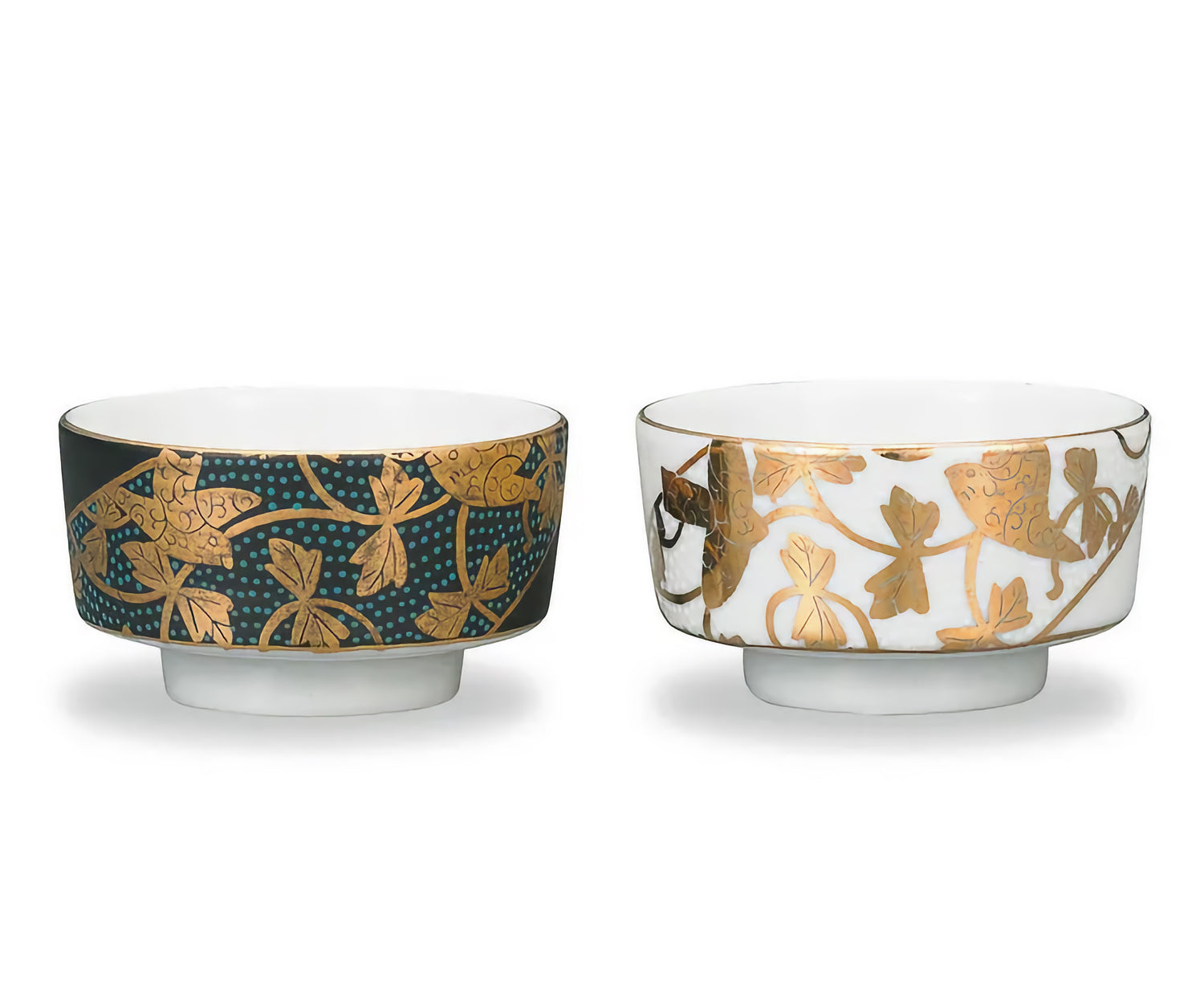
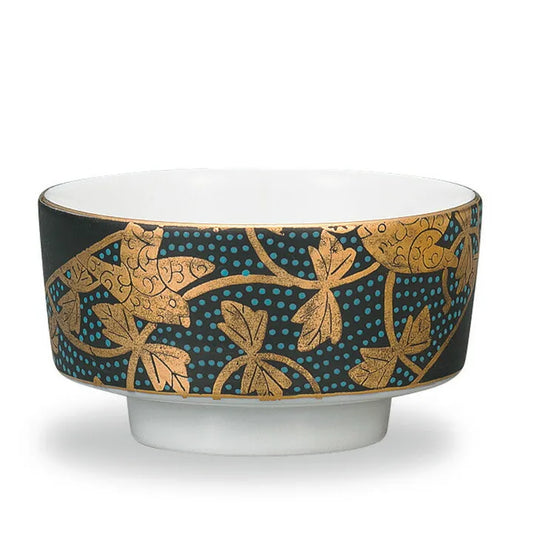
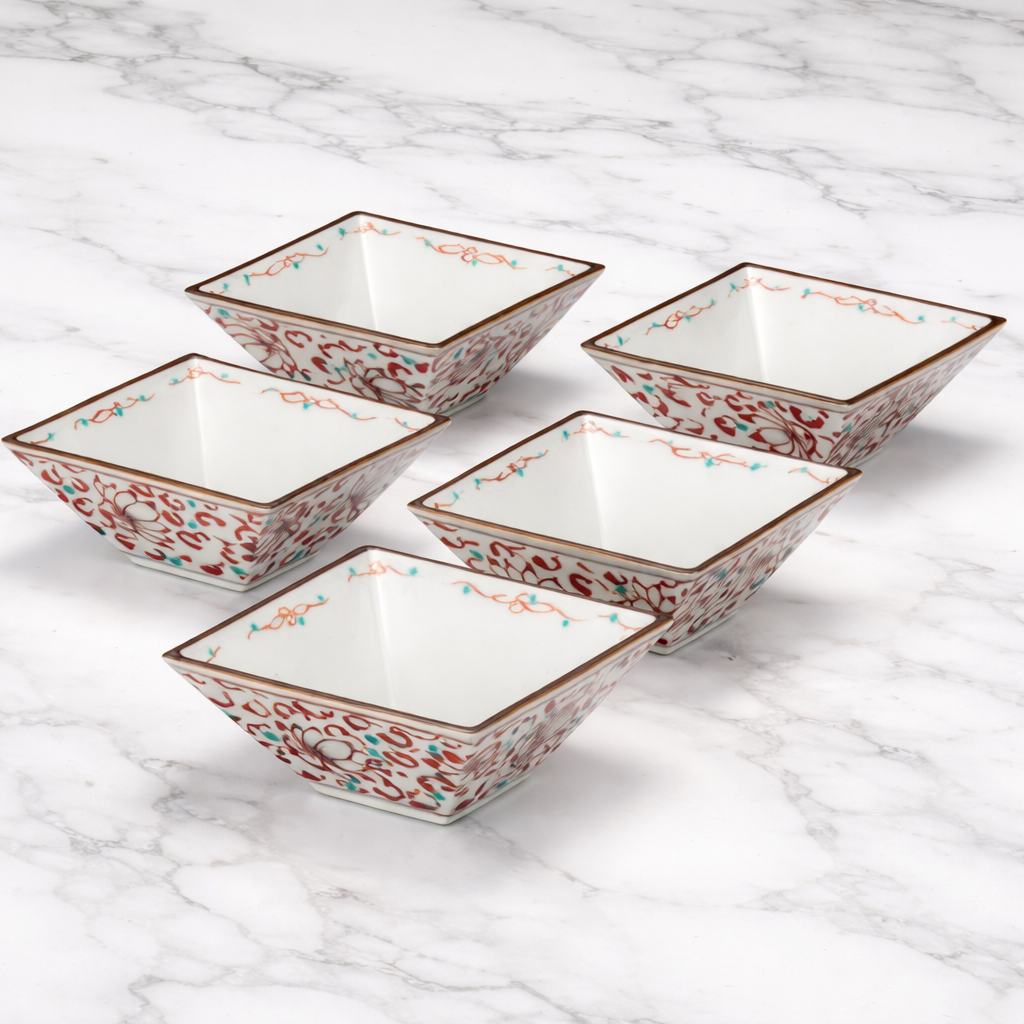
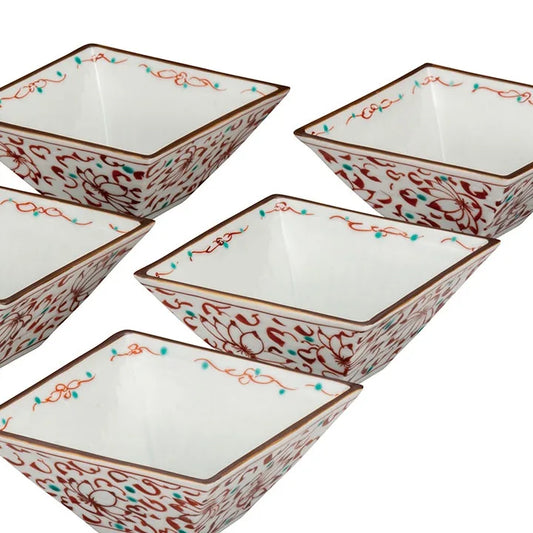
Karakusa, or Arabesques, is one of Japan's most enduring traditional motifs. Characterized by elegantly intertwining vines and leaves, the pattern symbolizes prosperity, longevity, continuous growth, and the flourishing of future generations. Because the vines spread endlessly without interruption, Karakusa has long been regarded as an auspicious design representing eternal good fortune.
Originally introduced to Japan through the Silk Road, the Karakusa motif has been embraced for centuries in Japanese ceramics, lacquerware, textiles, and metalwork. Its graceful flowing lines create a sense of harmony and movement while reflecting the beauty of nature.
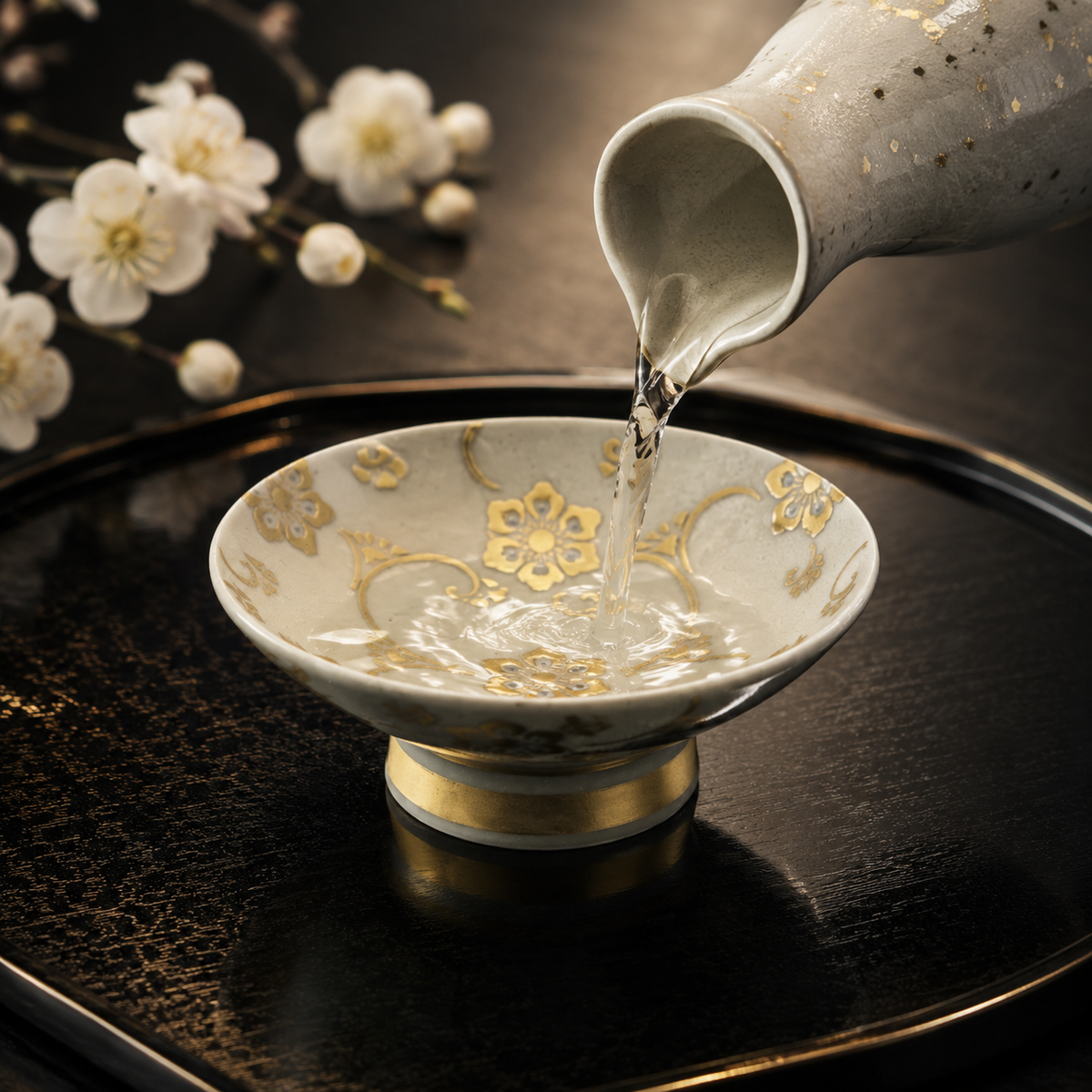
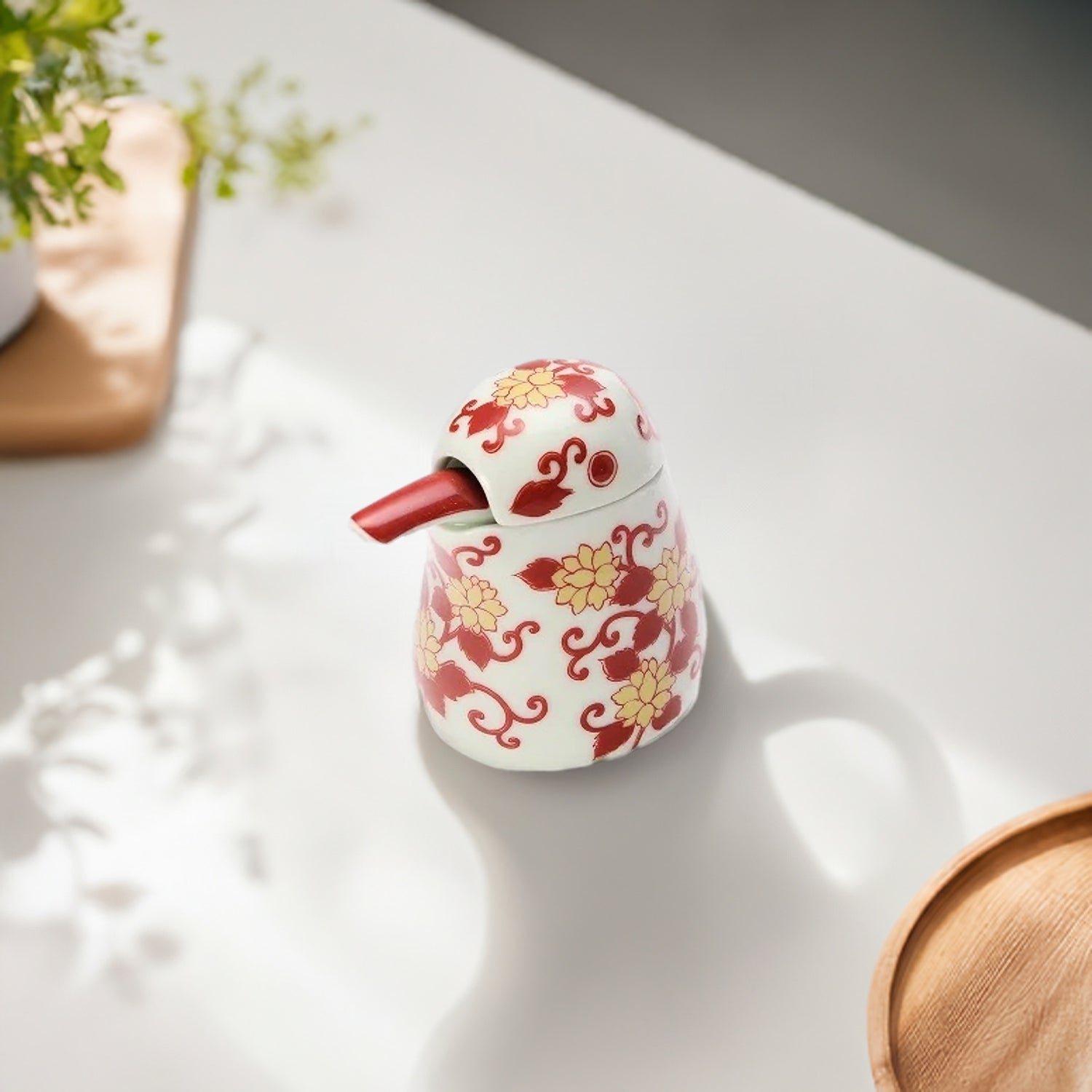
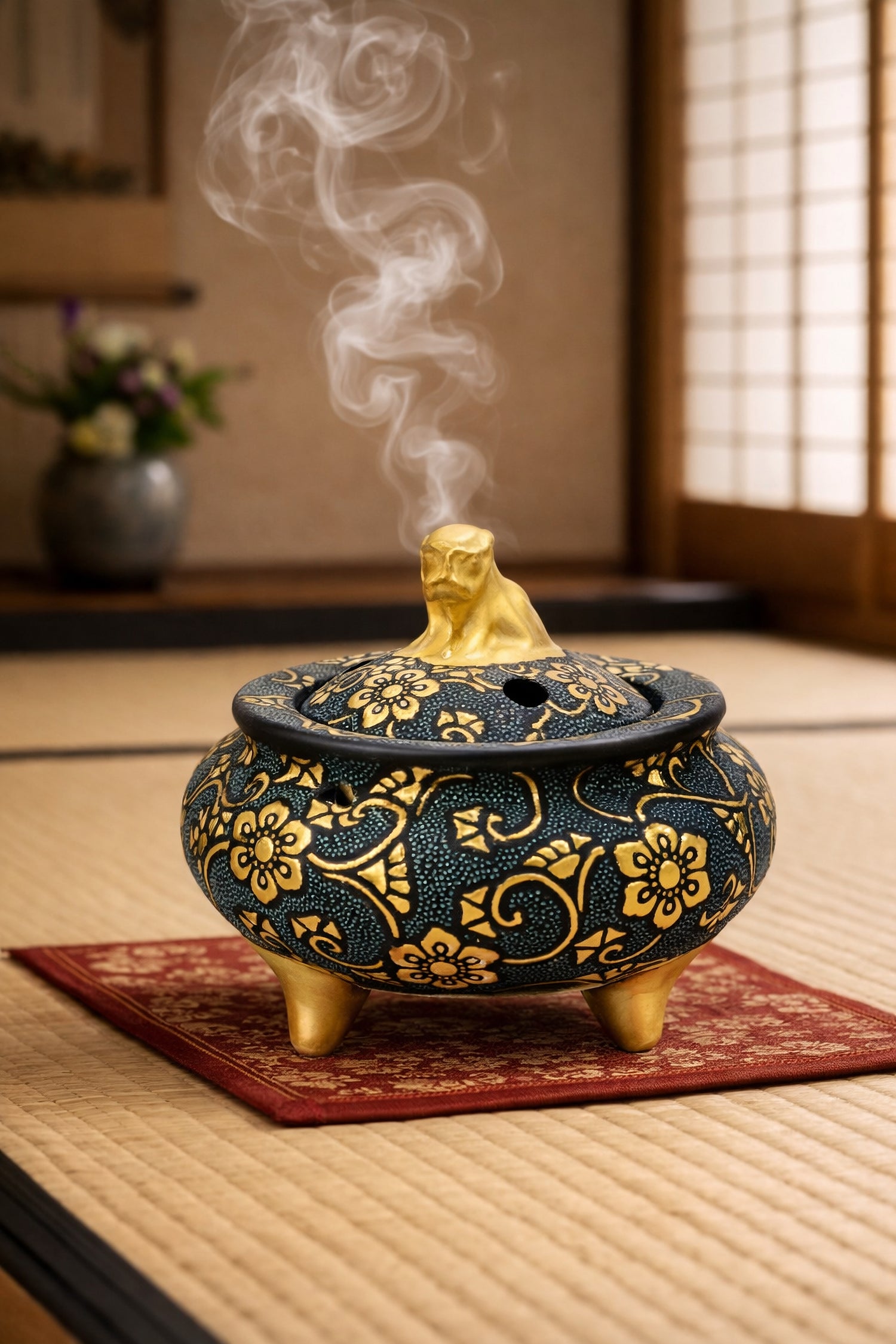
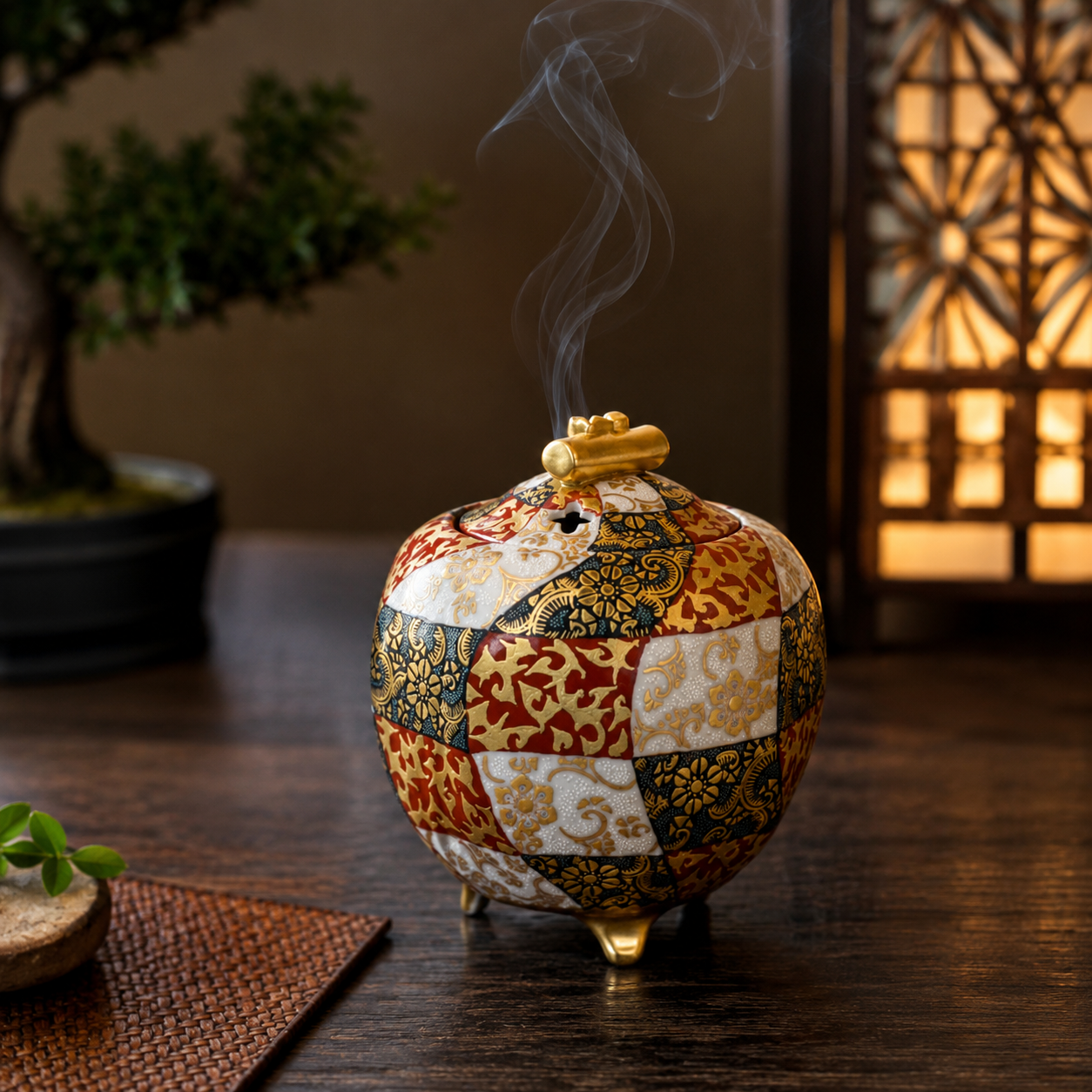
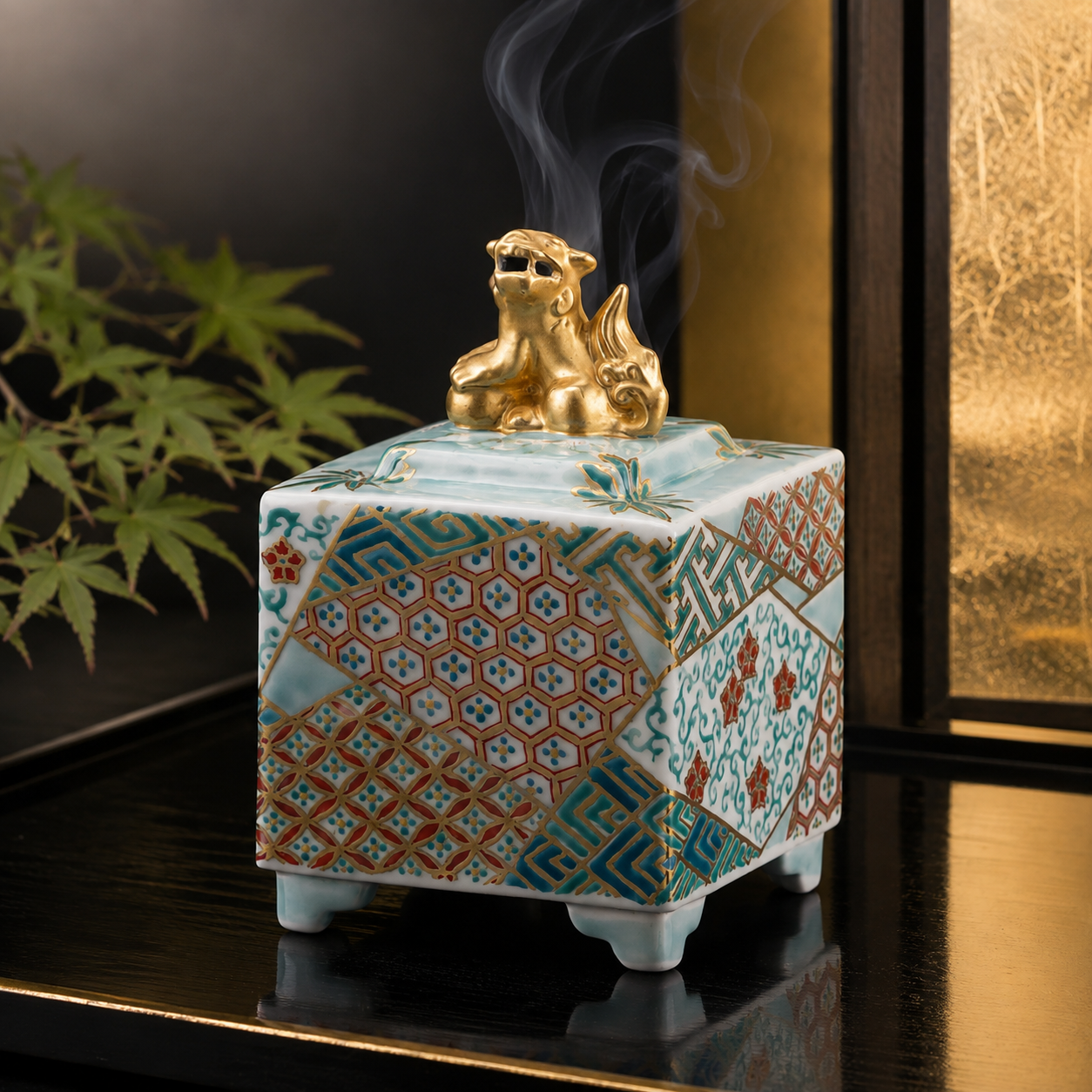
In Kutani Ware, Arita Ware, and other traditional Japanese crafts, Karakusa is often combined with flowers, birds, and auspicious motifs, enhancing both the elegance and symbolic meaning of each piece. Timeless and versatile, it remains one of the most beloved patterns in Japanese decorative arts.









Recently viewed
Let customers speak for us
Arrived in excellent condition. Extremely well packaged. Shipping time was very short. Product was what we were expecting.

A gift for my wife’s birthday.
She loves it,

I couldn't be happier with this Kutani ware incense burner. The decoration is just beautiful. The store were very quick to process and ship my order - I'd happily buy from them again.

Long lead item but was perfect when received.

Super fast international shipping, extremely well packed and beautiful presentation. COMPLETELY WOWED!

Packaging was perfect and arrive safely. Amazing packaging and execution

it arrived elegantly wrapped and safely packed, the item itself is fabulous.

I was so pleased with the beautiful craftsmanship of this delicate bowl, and the way it came wrapped in a wooden box tied up in cloth. Exceptional experience.

As beautiful as it is on the photo! It feels one of a kind.

Very pleased with both the item and customer service experience. Beautifully packaged, fast delivery, great communication from seller.

The website, product, process and service have all been first-class.

Nice flower vase. Good product!

This is adorable! I need all the colors!

Once again, I just put them all around my home and enjoy them!

In love with it ... art
