
Collection: Maki-e
Maki-e
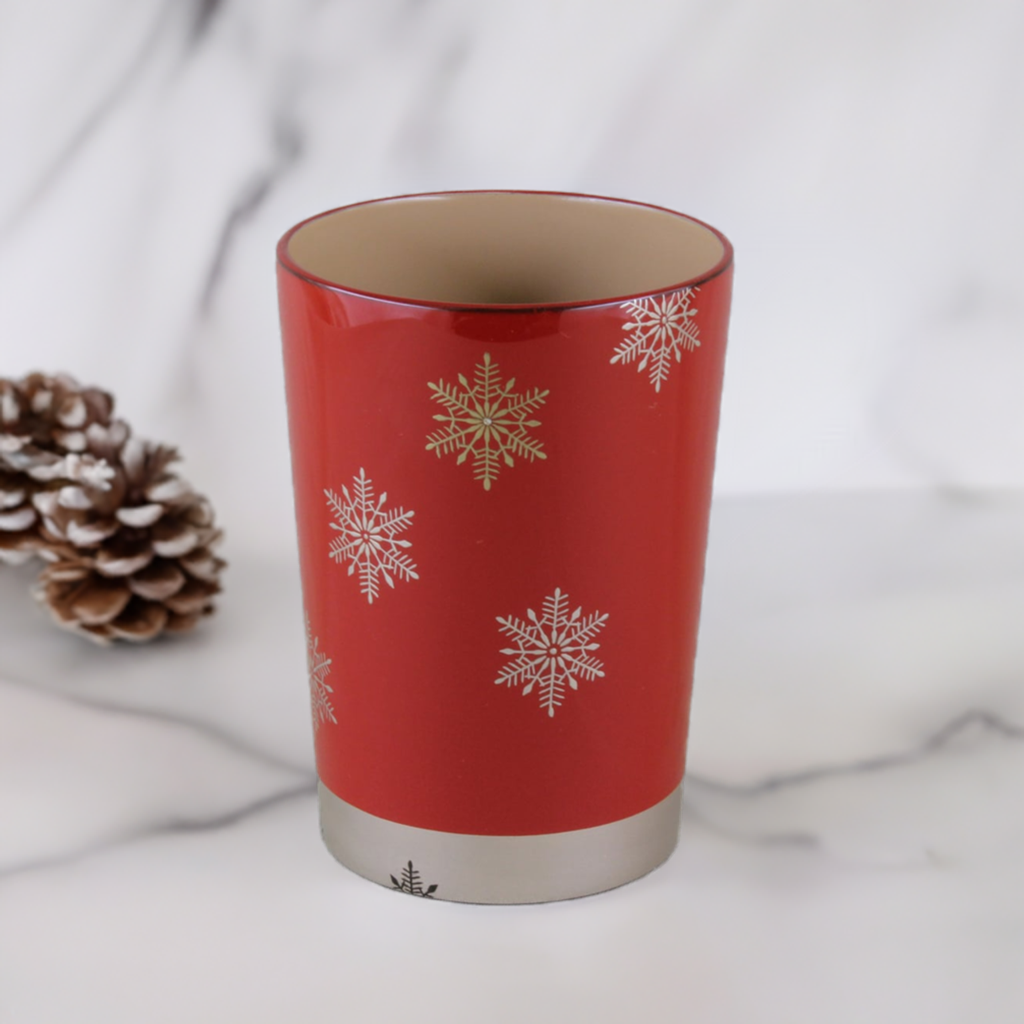
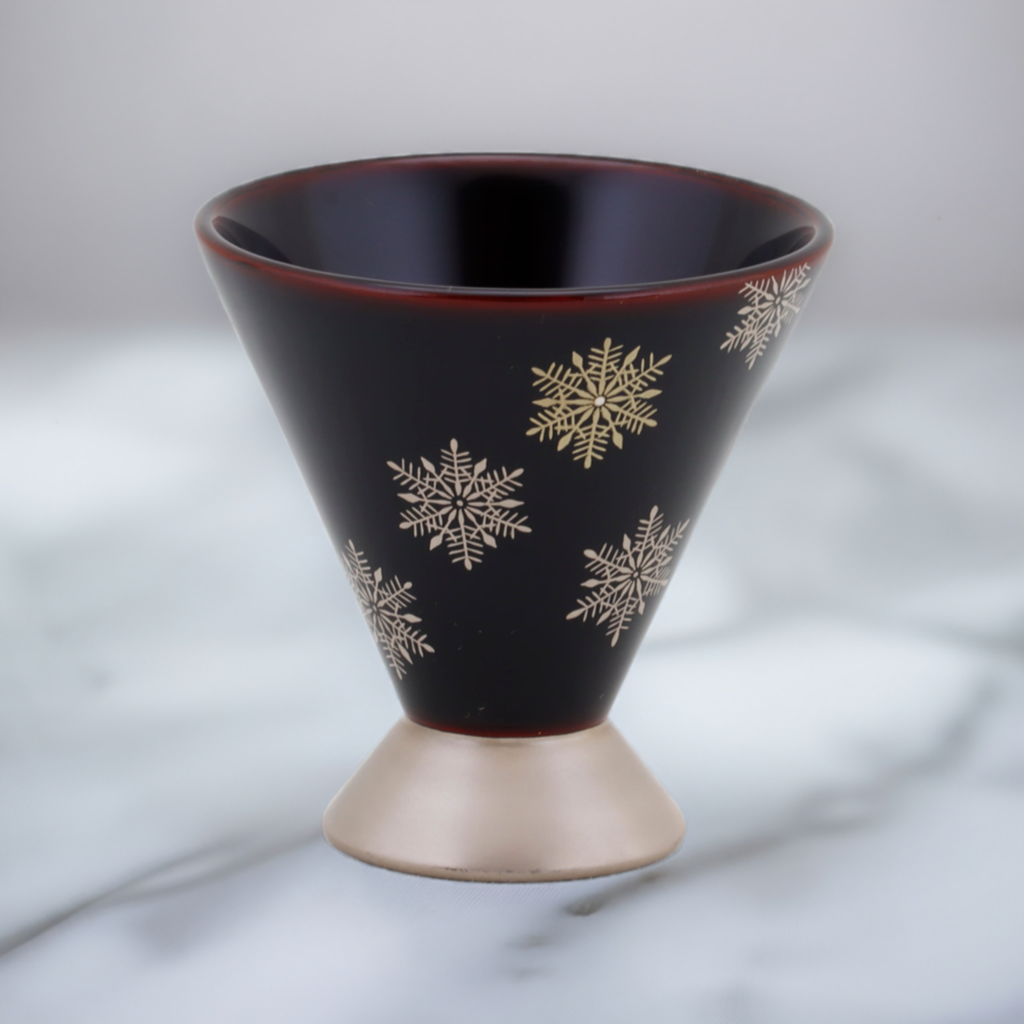
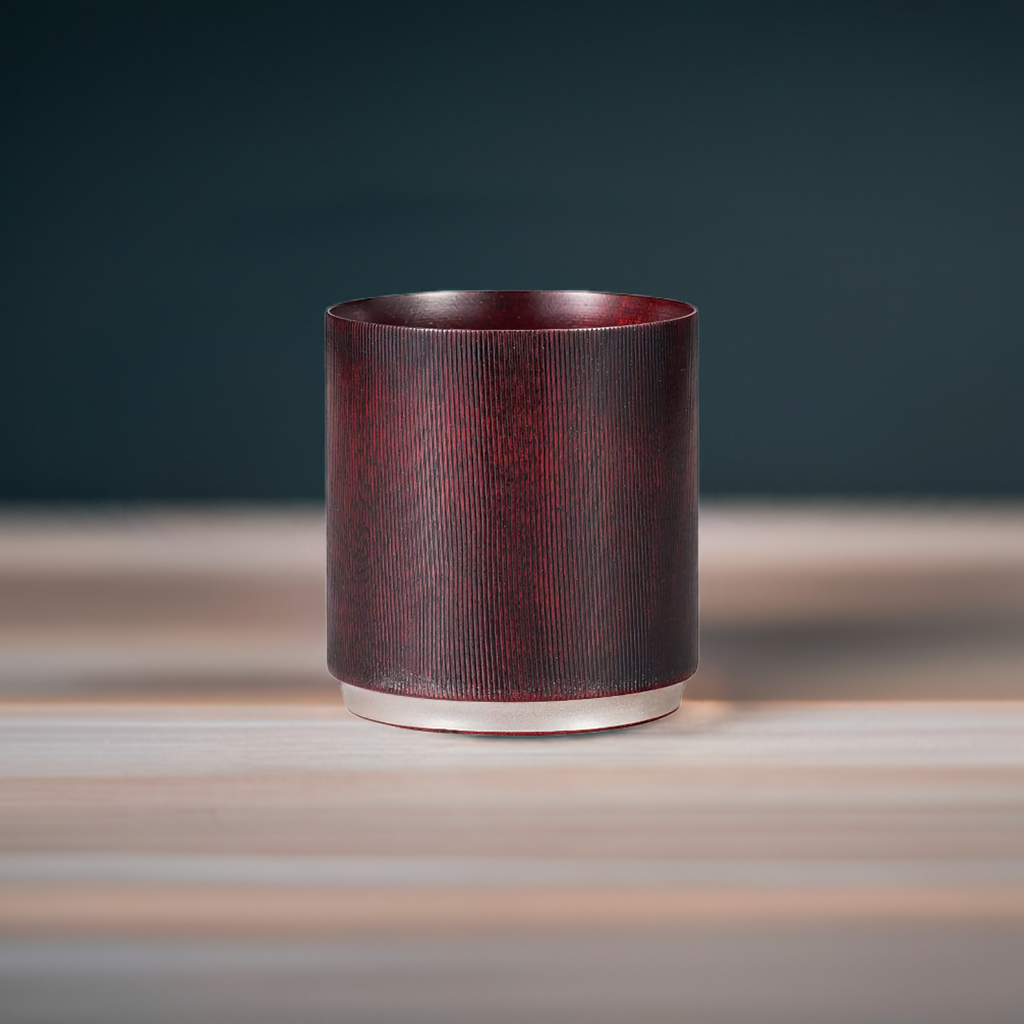
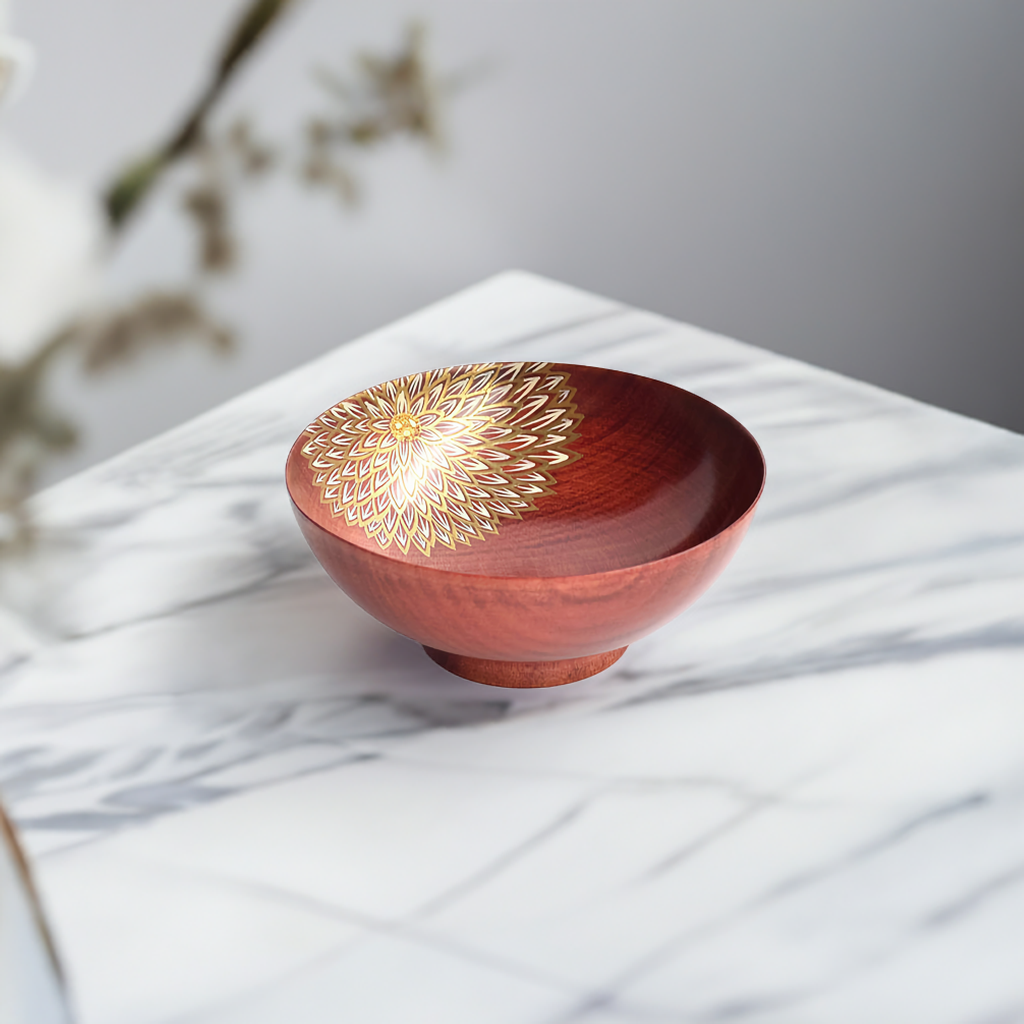
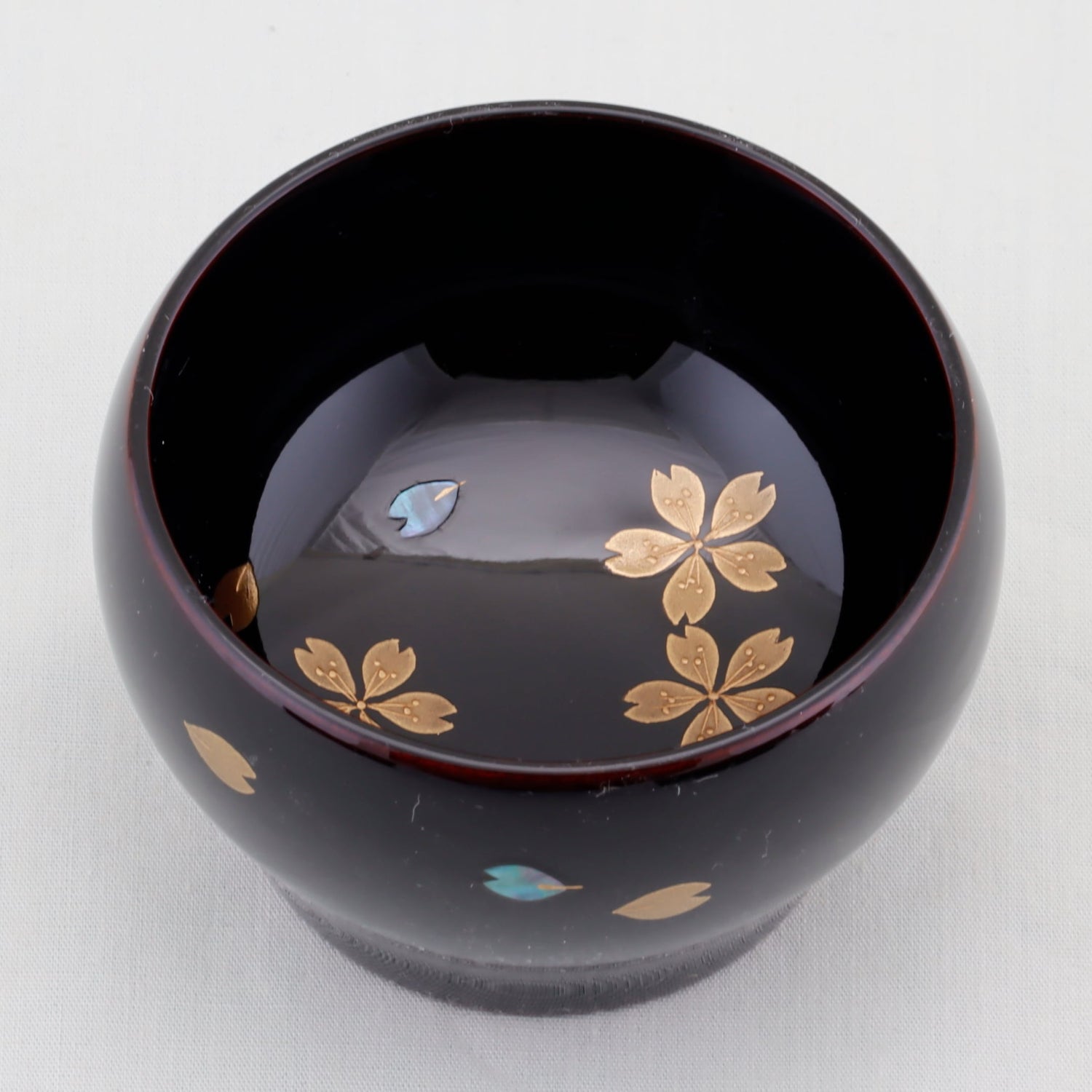
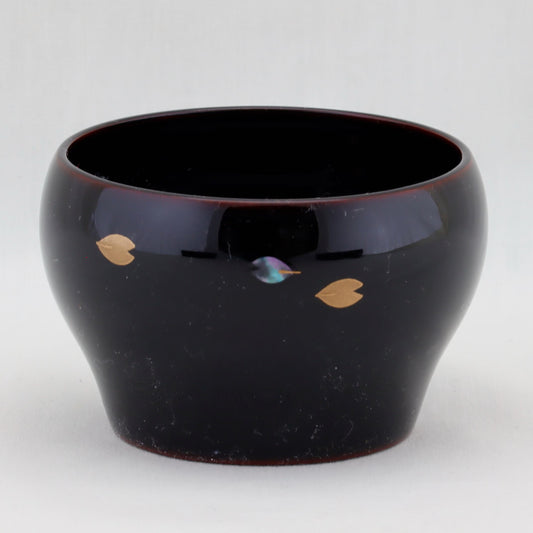
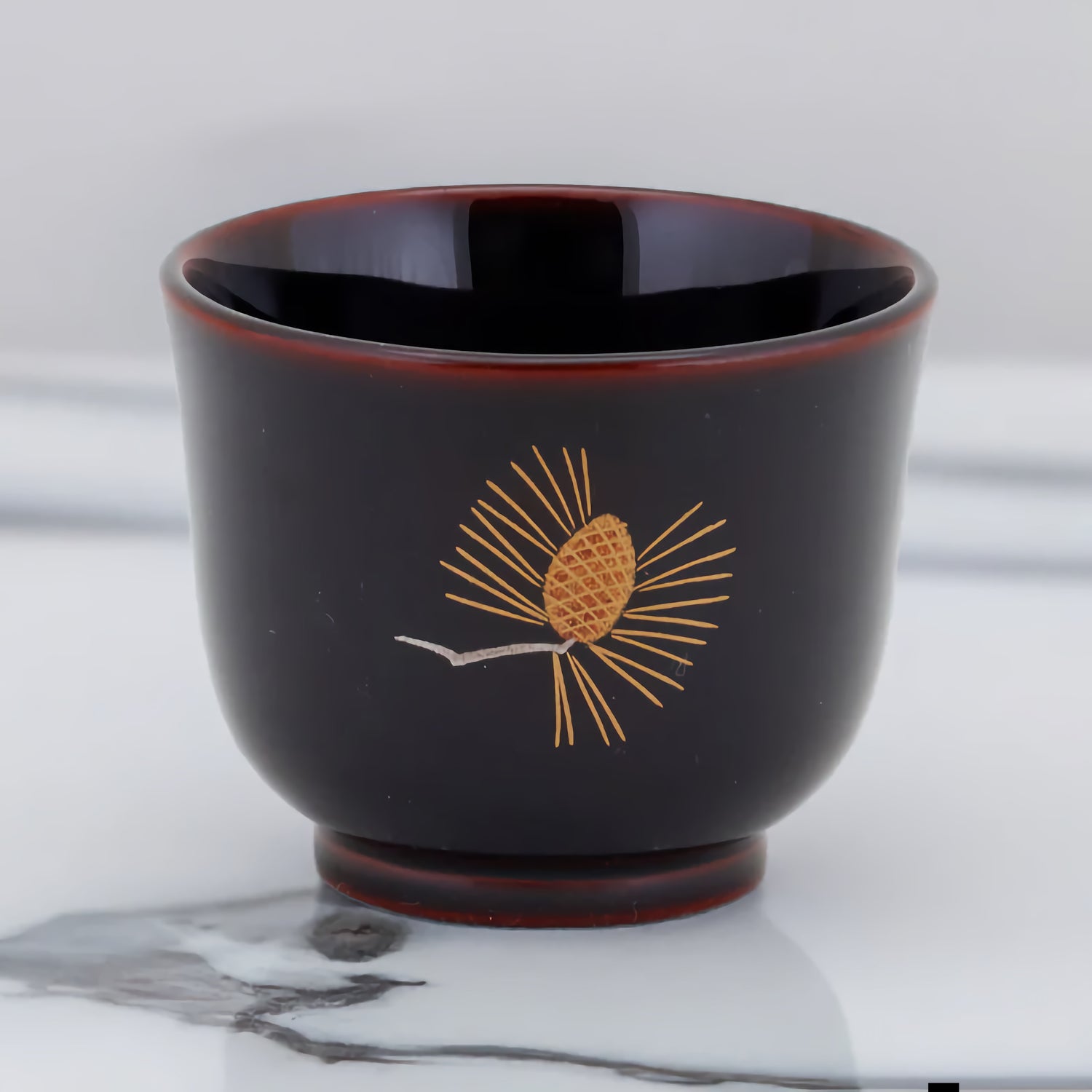
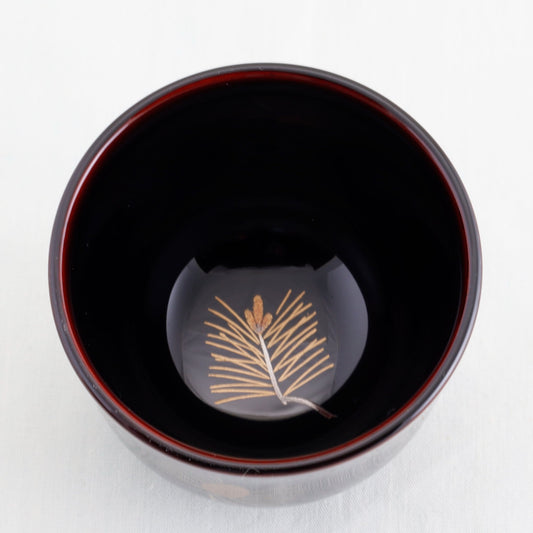
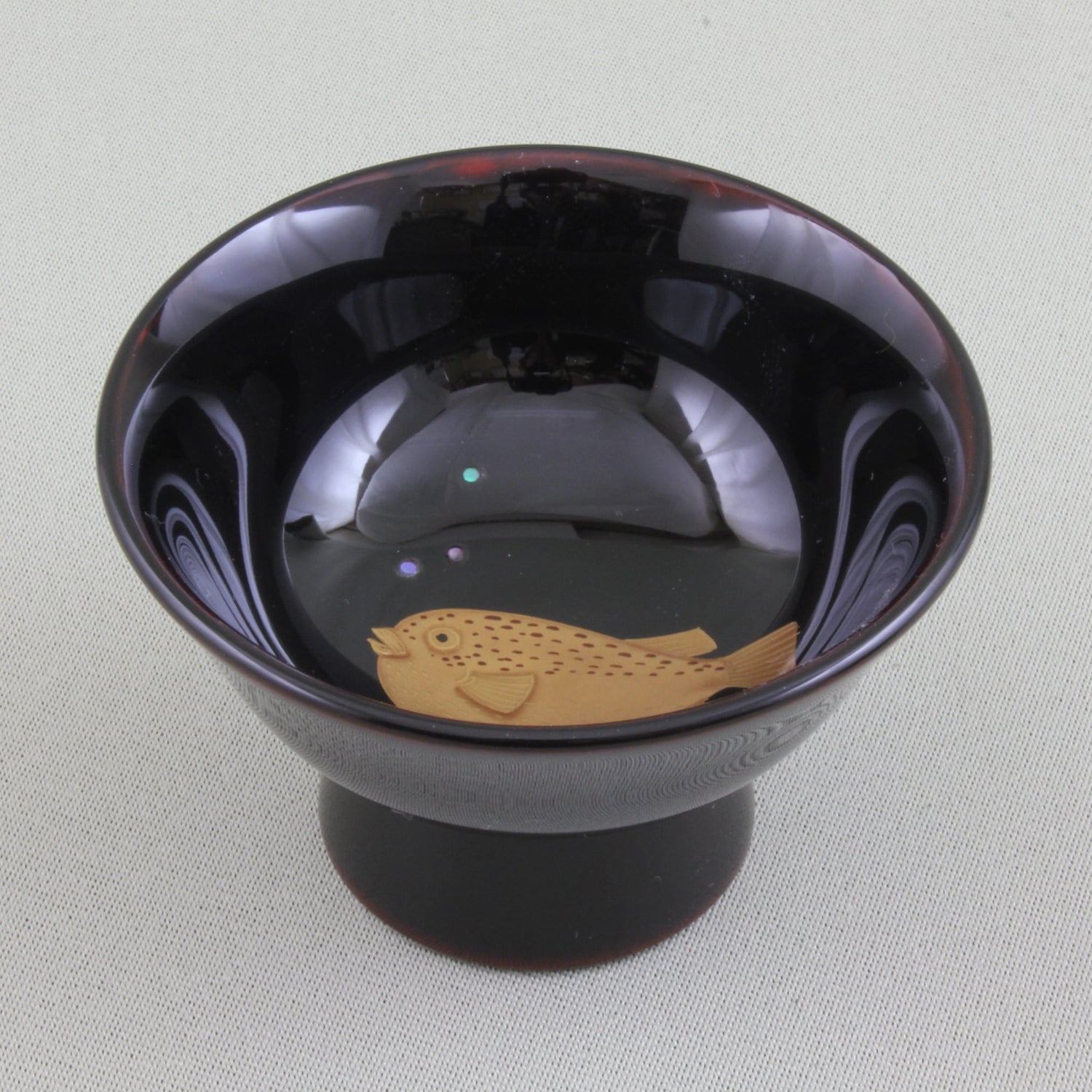
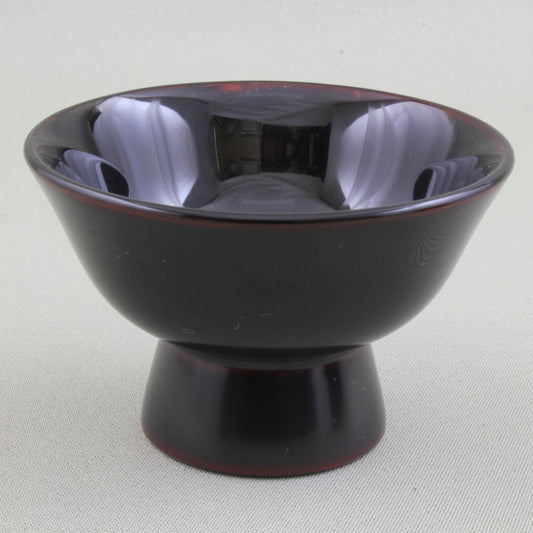
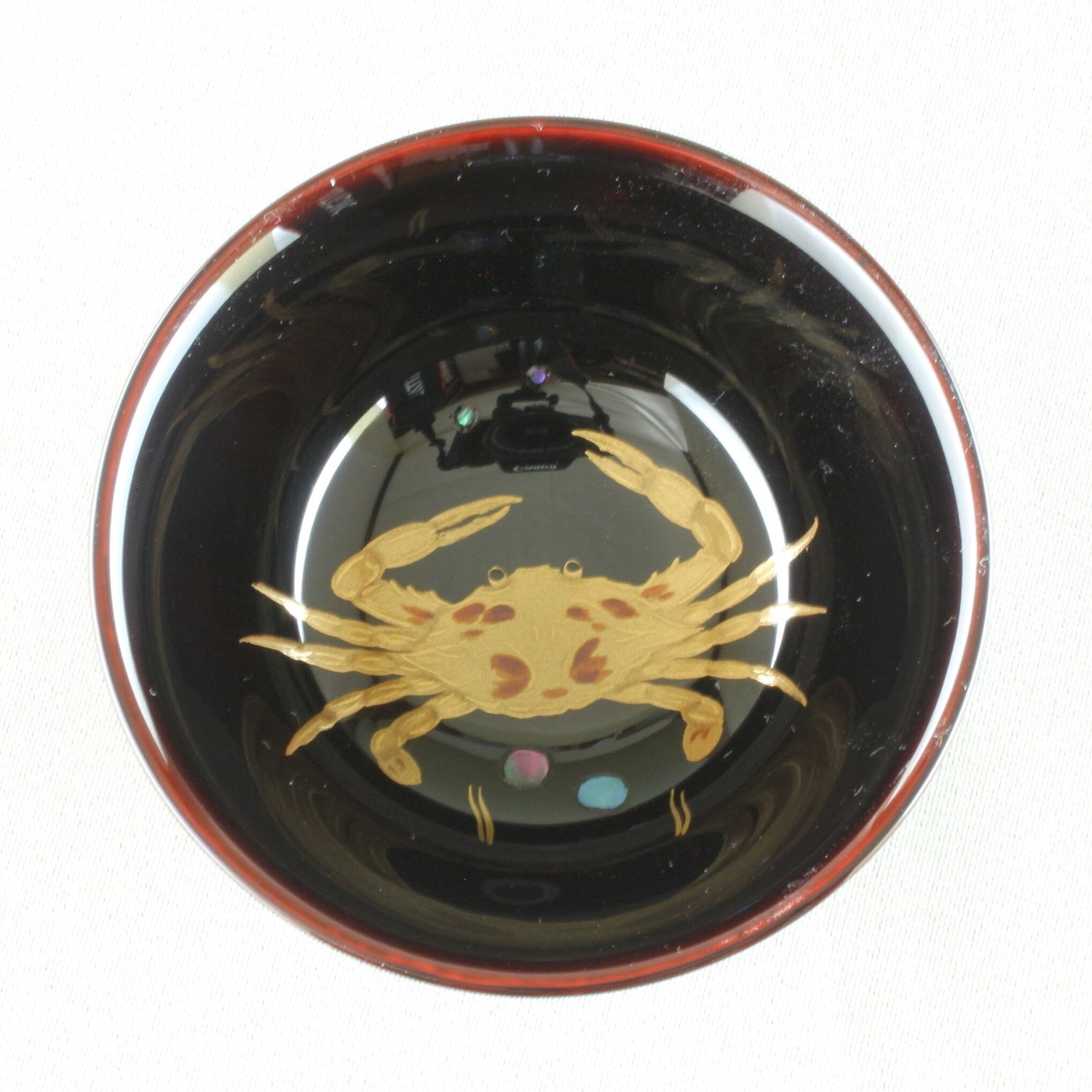
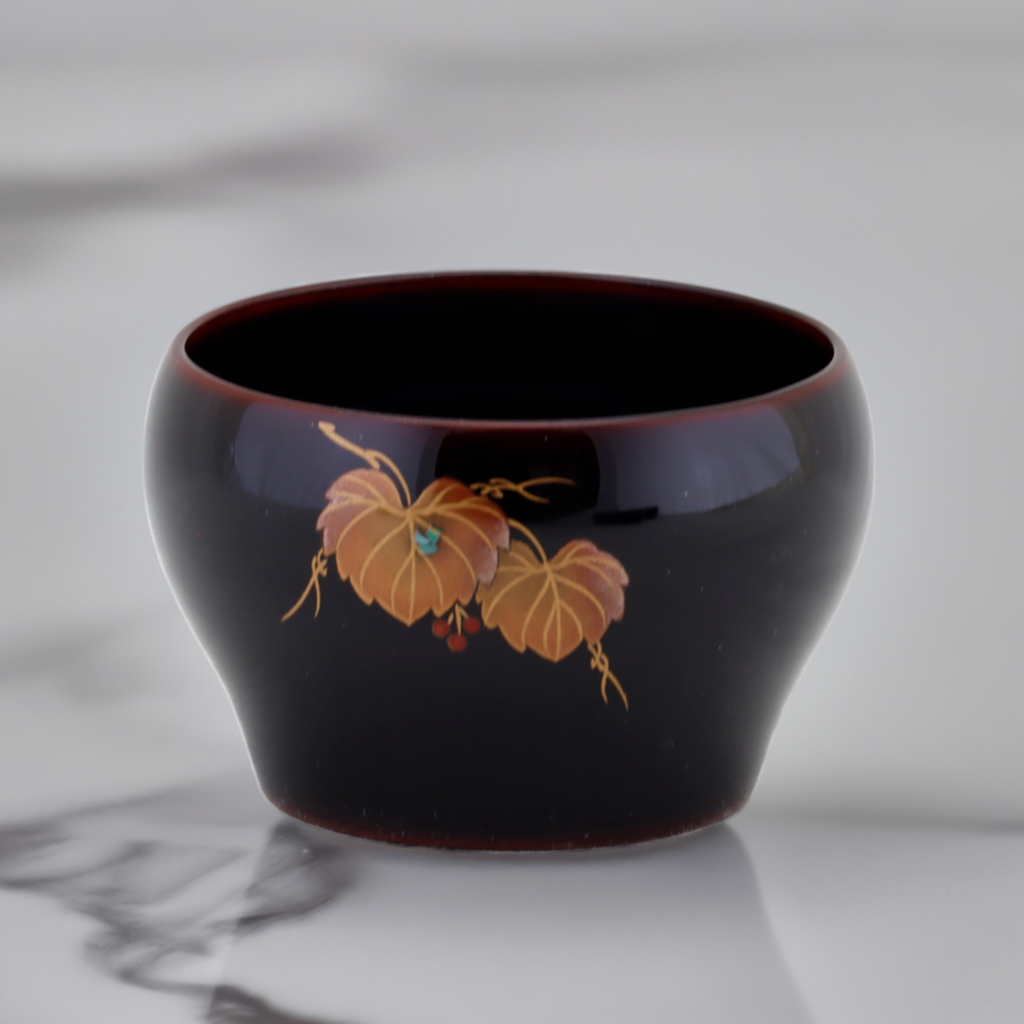
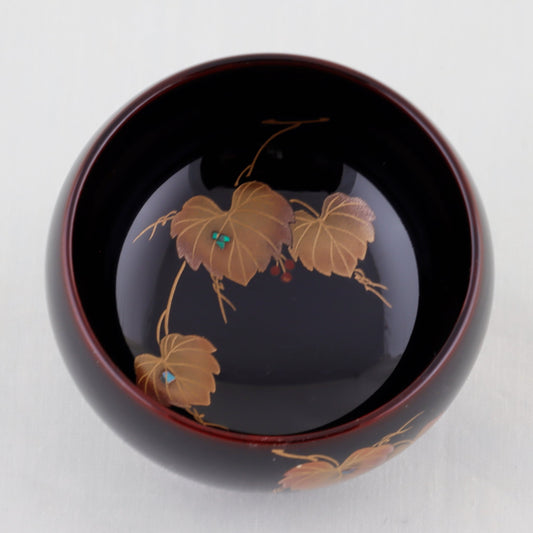
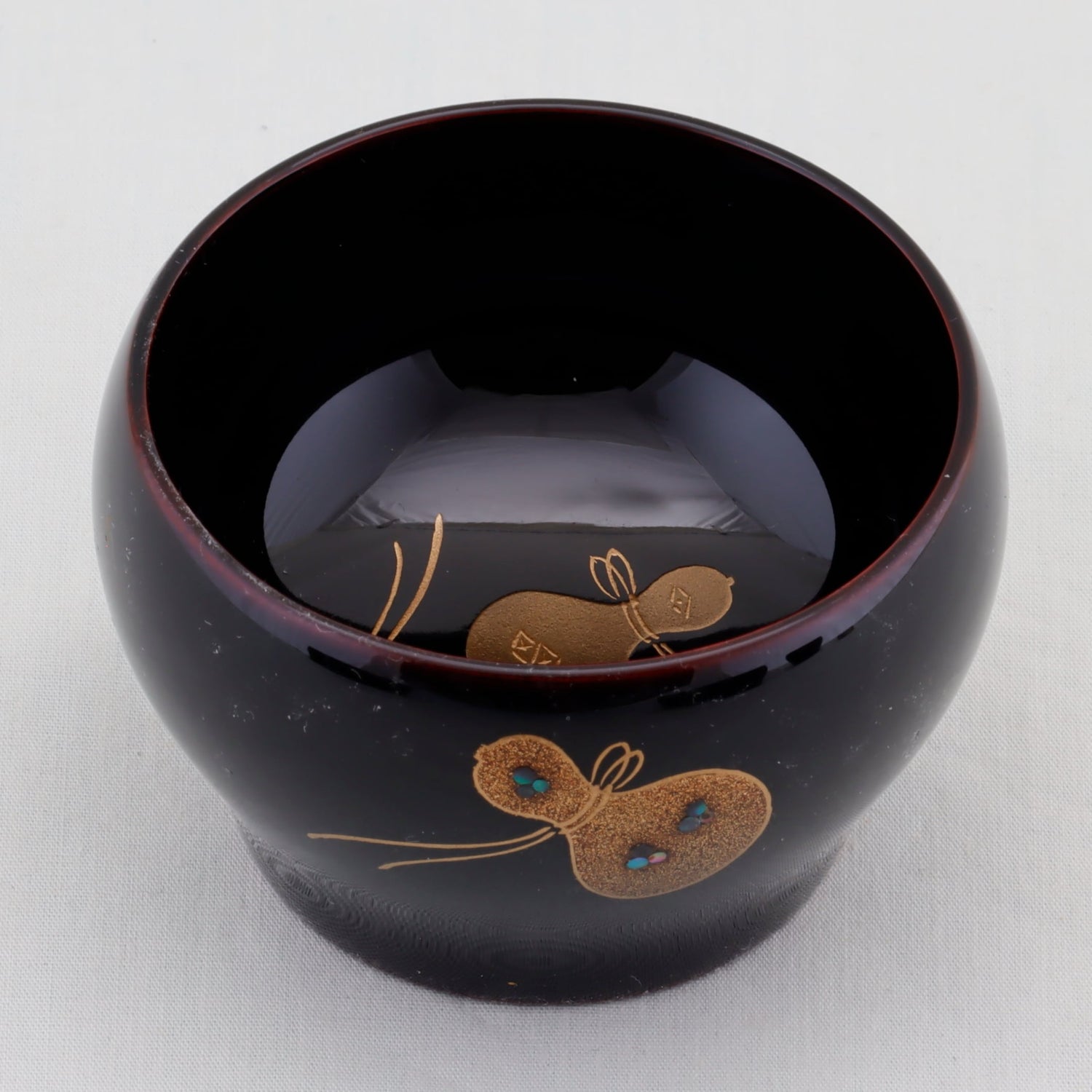
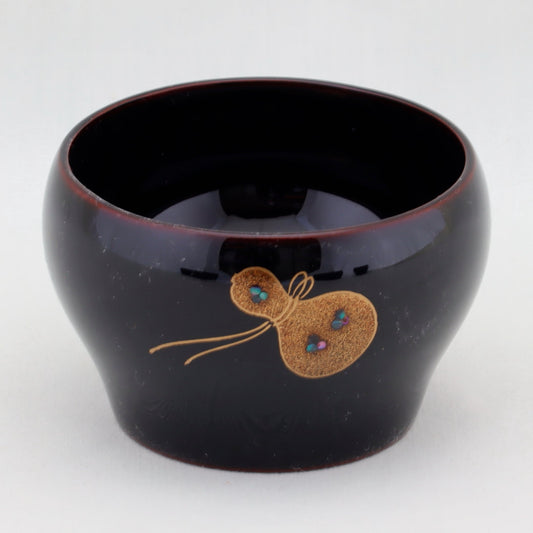
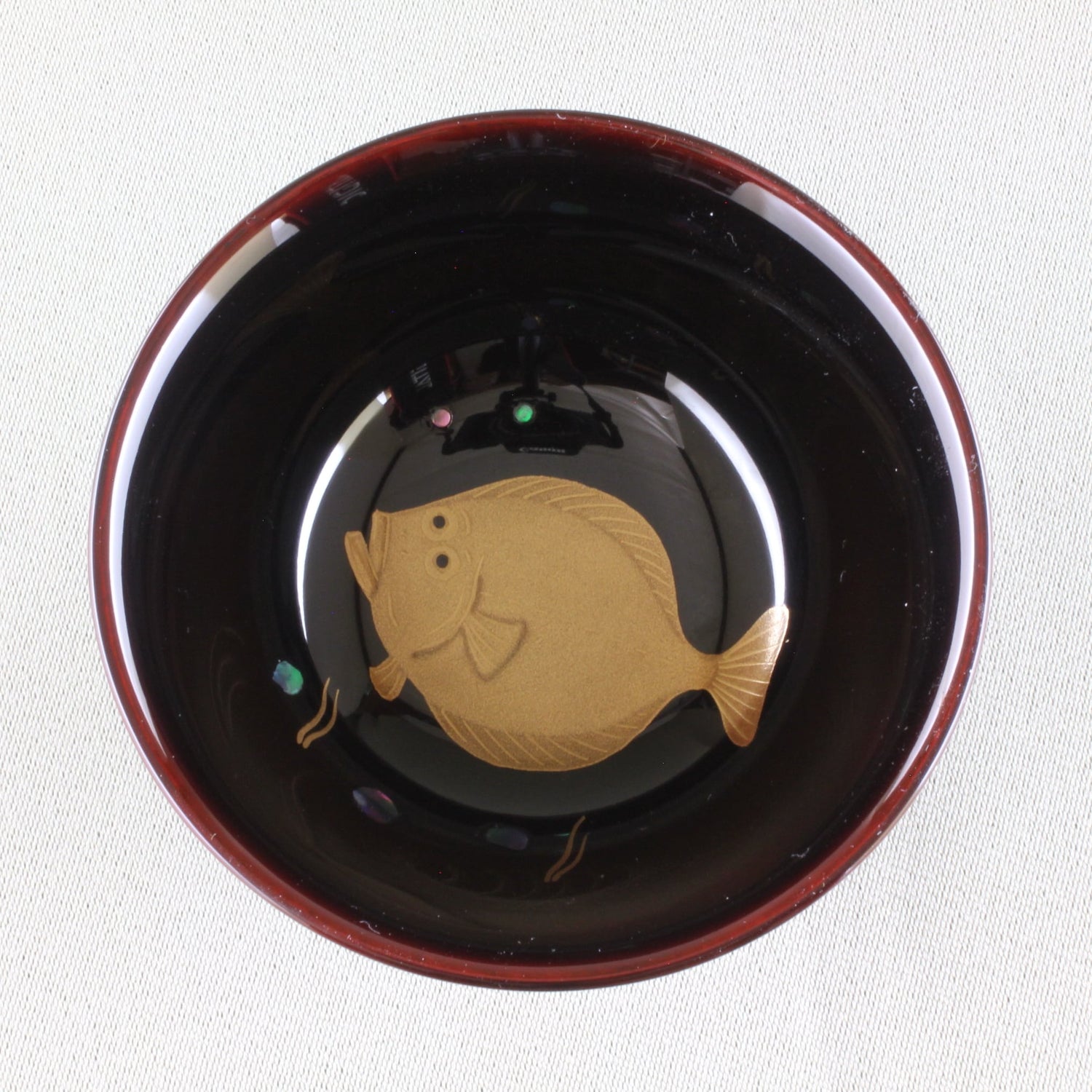
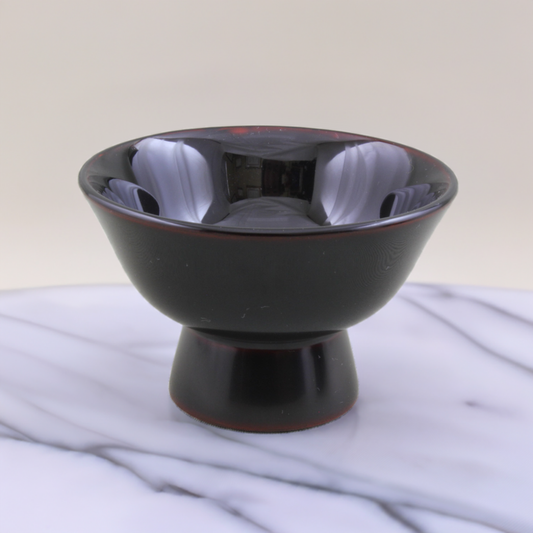
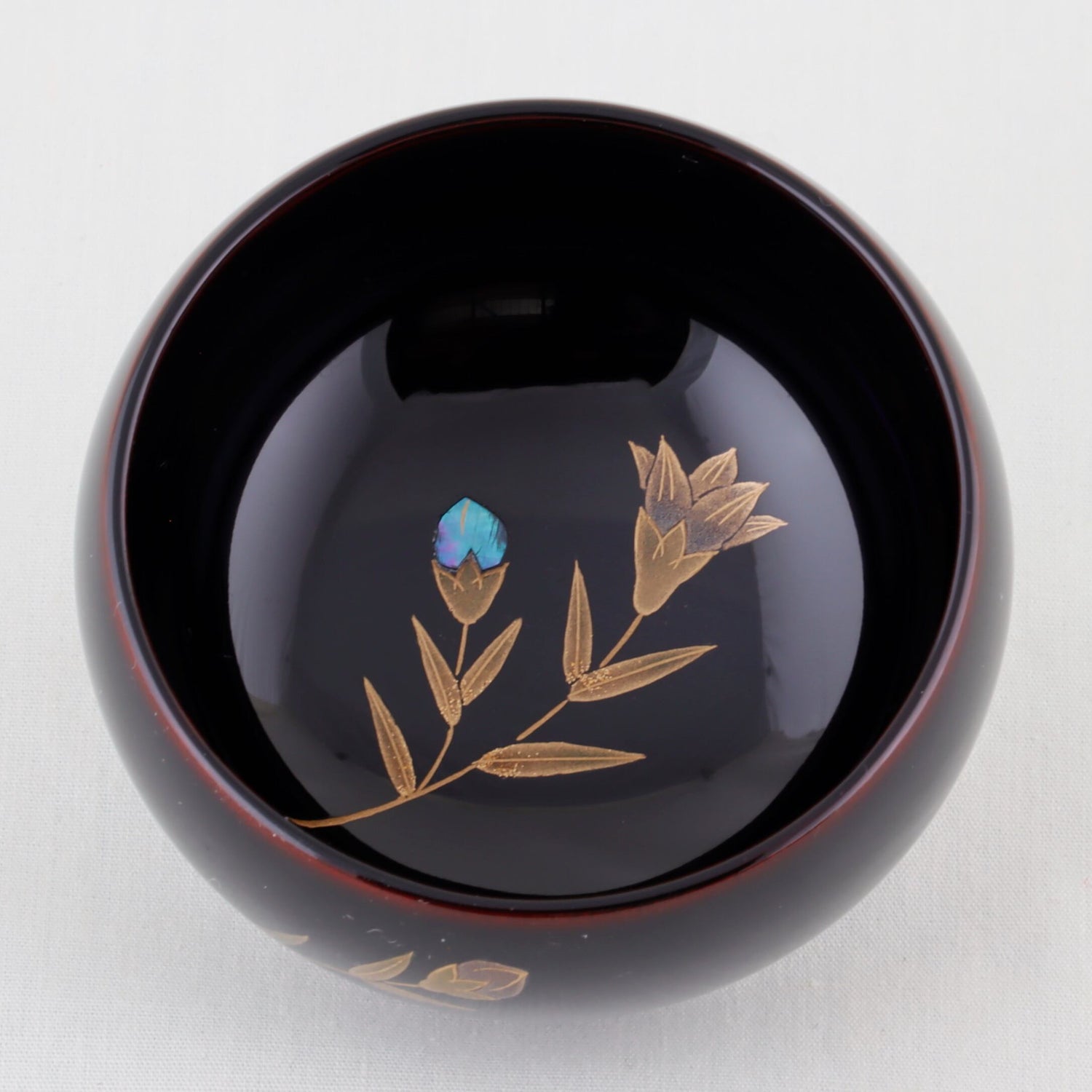
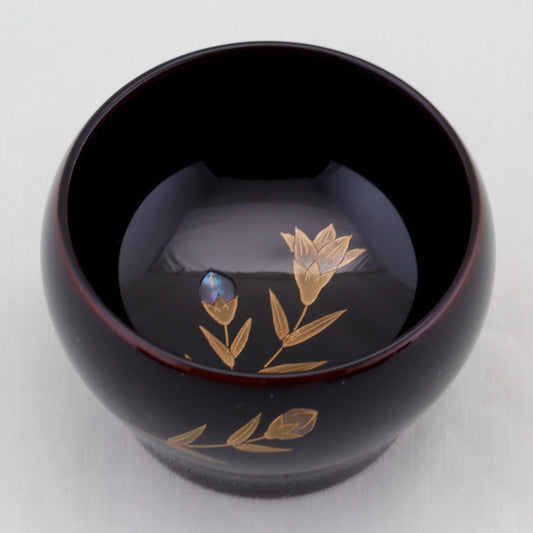
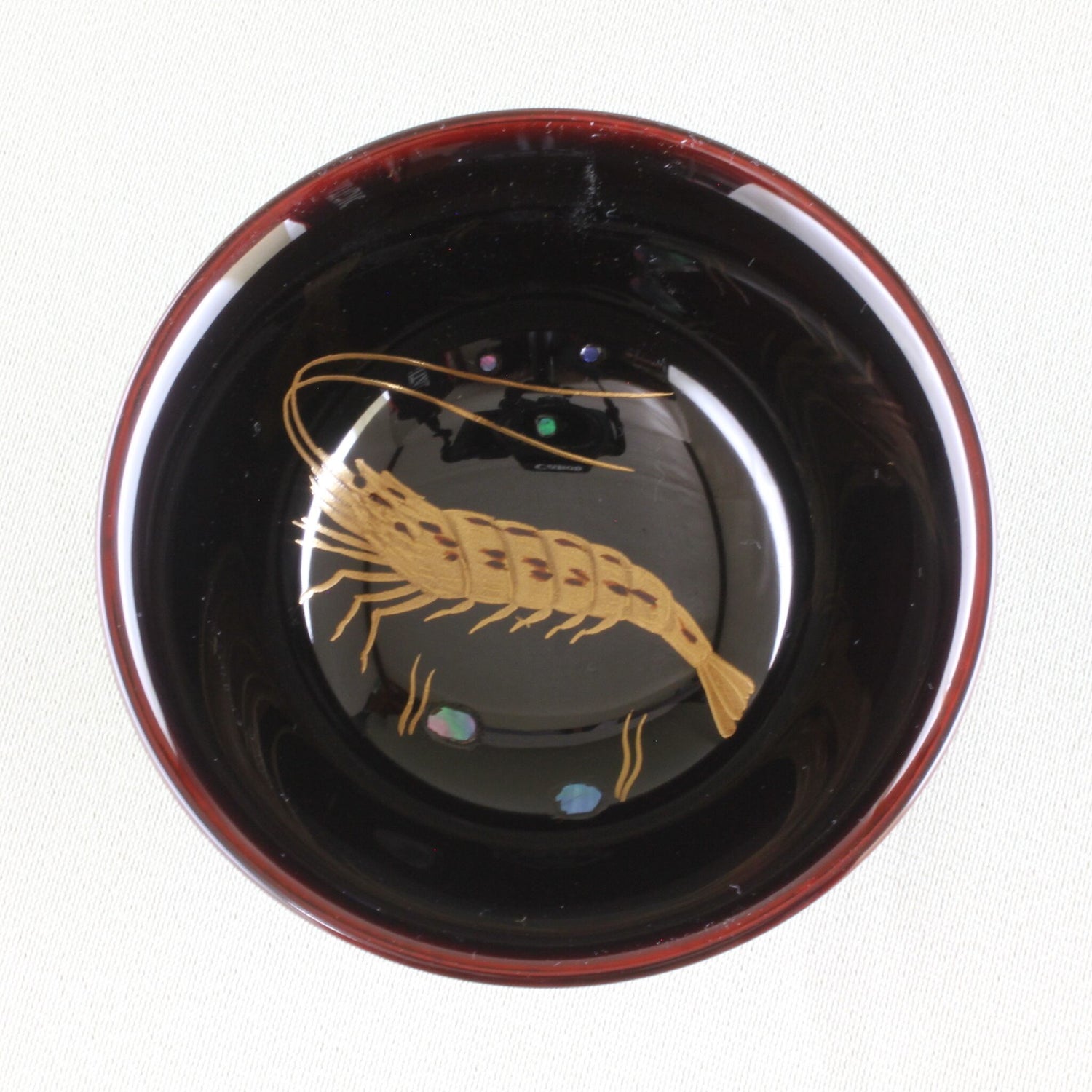
Maki-e is one of Japan's most celebrated traditional decorative techniques. Developed over centuries, it involves sprinkling gold, silver, or metallic powders onto hand-painted lacquer while it is still wet, creating intricate designs with remarkable brilliance and depth.
Originally perfected in Japanese lacquerware, including Wajima Lacquerware and Yamanaka Lacquerware, the elegance of Maki-e has also inspired decorative styles found on fine Japanese ceramics such as Kutani Ware. Skilled artisans use delicate brushwork and luxurious gold embellishments to create works that reflect the beauty and sophistication of traditional Japanese craftsmanship.
Common motifs include flowers, birds, landscapes, seasonal scenes, and auspicious symbols, each expressing harmony with nature and wishes for prosperity, happiness, and longevity. Admired for its exquisite craftsmanship and timeless beauty, Maki-e remains one of Japan's most iconic artistic traditions.




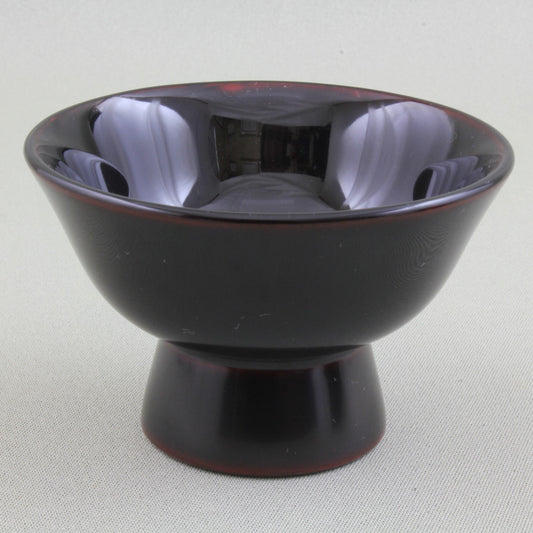
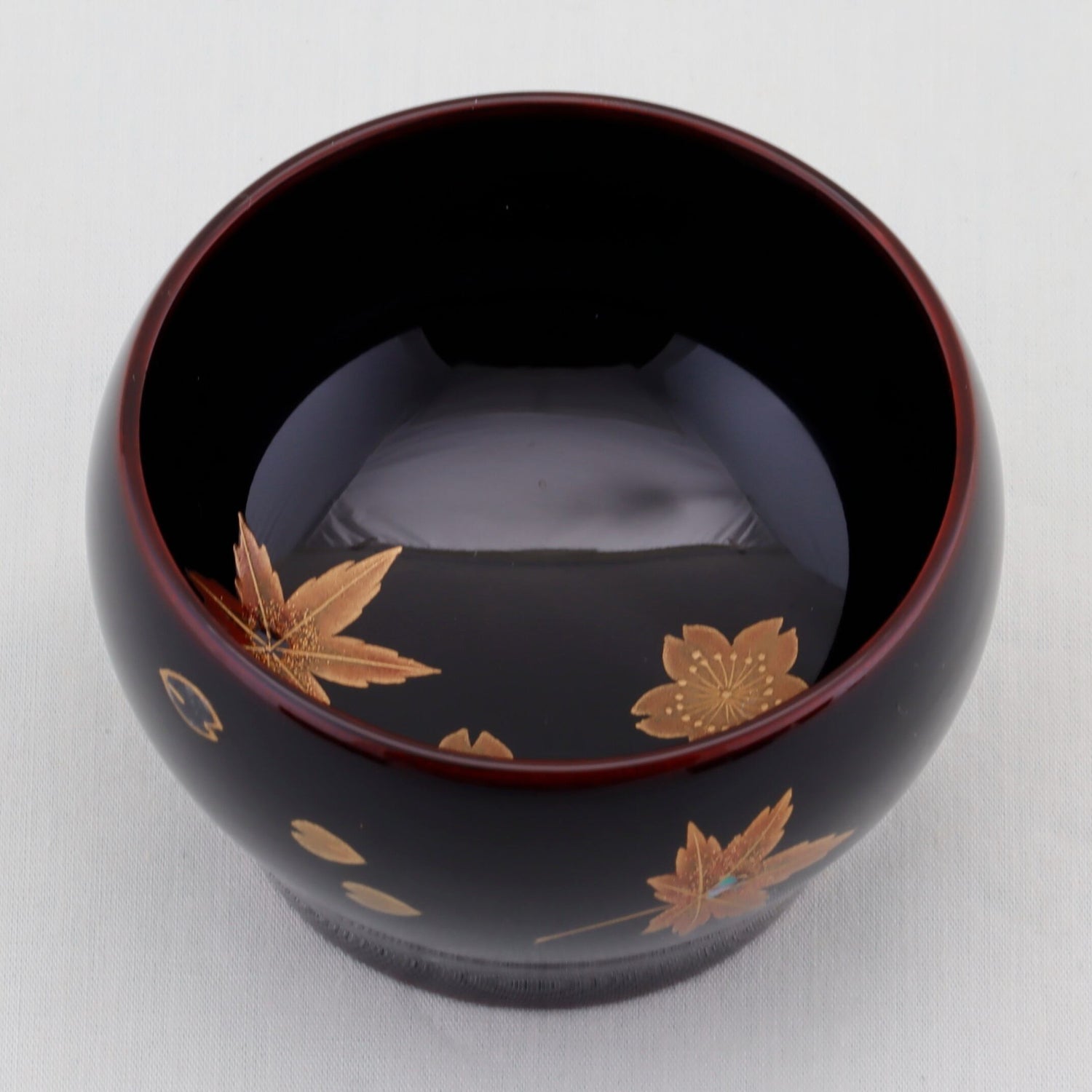
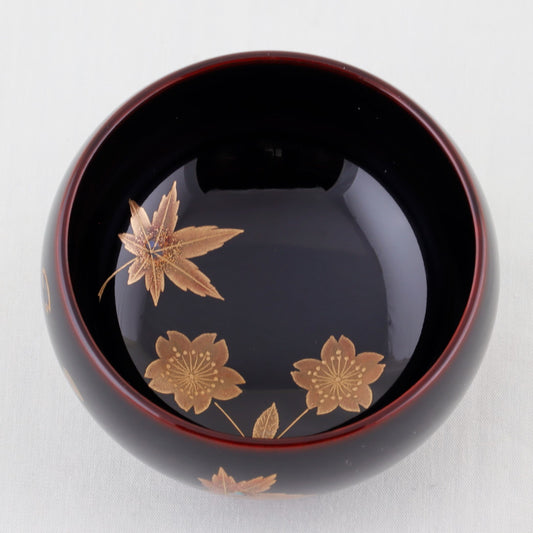
Recently viewed
Let customers speak for us
Arrived in excellent condition. Extremely well packaged. Shipping time was very short. Product was what we were expecting.

A gift for my wife’s birthday.
She loves it,

I couldn't be happier with this Kutani ware incense burner. The decoration is just beautiful. The store were very quick to process and ship my order - I'd happily buy from them again.

Long lead item but was perfect when received.

Super fast international shipping, extremely well packed and beautiful presentation. COMPLETELY WOWED!

Packaging was perfect and arrive safely. Amazing packaging and execution

it arrived elegantly wrapped and safely packed, the item itself is fabulous.

I was so pleased with the beautiful craftsmanship of this delicate bowl, and the way it came wrapped in a wooden box tied up in cloth. Exceptional experience.

As beautiful as it is on the photo! It feels one of a kind.

Very pleased with both the item and customer service experience. Beautifully packaged, fast delivery, great communication from seller.

The website, product, process and service have all been first-class.

Nice flower vase. Good product!

This is adorable! I need all the colors!

Once again, I just put them all around my home and enjoy them!

In love with it ... art
